
My Car Has an Auto Start/Stop. Will This Affect My Interlock?
This blog is for general information only and is not legal advice. Always consult a qualified DUI or criminal defense attorney and your monitoring authority about your specific situation. If you’re convicted of a DUI and need to learn more about ignition interlocks, call our team at (888) 283-5899.
Some modern vehicles are equipped with an automatic start/stop system. Here’s how it may interact with your IID.
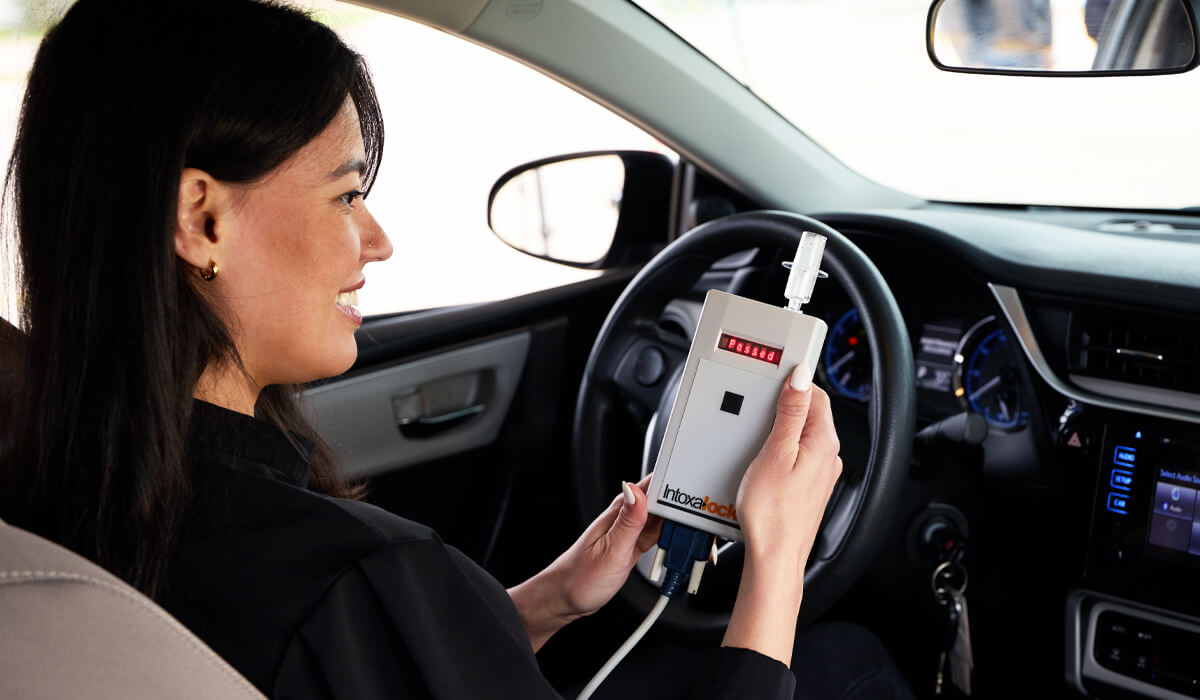
Picture this. You are sitting at a red light. Your engine quietly turns off, just like it is designed to do with your vehicle’s automatic start/stop settings. Then your ignition interlock device prompts you to provide a retest.
This is exactly what happened to one of our customers, Sean W. He wrote to us, nervously wondering: Did the engine turning off trigger this? What happens next?
Just like Sean, that moment can catch you off guard initially, especially as you get used to your ignition interlock device.
But we’re here to help and explain what you can expect. Your vehicle’s automatic start/stop system and your IID work separately. Each system runs on its own. This guide walks you through how these systems interact so you can feel more in control behind the wheel, but it is not a substitute for the information in your device user manual, vehicle owner's manual, or provided from a qualified mechanic.
How Do Automatic Start/Stop Systems Work in Modern Cars?
Automatic start/stop systems save fuel and reduce emissions, especially during city driving. This feature is common on non-hybrid vehicles built early-to-mid 2010s, although a version of it first appeared in 1974.
Here is how the system generally works in most vehicles:
- When you come to a complete stop, your engine turns off.
- Your vehicle’s electrical systems stay on.
- When you release the brake or press the accelerator, the engine starts again.
The process is designed to feel seamless. Even when the engine turns off, your vehicle remains powered and ready.
Do Auto Start/Stop Systems Change How Ignition Interlock Devices Work?
Because you get your ignition interlock device installed directly into your vehicle, it may feel like your car and your IID are connected. However, they operate independently.
Your ignition interlock device:
- Requires a breath sample before starting your vehicle
- May request a retest at any time during your drive
- Records and reports activity to your monitoring authority
If a request for a random retest happens while your engine is off at a stoplight, it is simply a coincidence. Each system - your vehicle and your interlock - follows its own process.
Your ignition interlock device remains active during start/stop events, and your vehicle continues to operate as expected.
Can You Keep Your Automatic Start/Stop System Operational with an IID?
You can usually leave the feature on, but some drivers prefer a more consistent setup while they adjust.
Planning for Random Retests
Your IID may request a random retest at any point during your drive.
A few practical tips can help you stay confident through any random retest:
- Stay aware and ready to respond to IID prompts.
- Follow the device instructions carefully to remain compliant.
- Pull over safely if you need time to complete a test.
Even at a stoplight, focus on completing the test safely and correctly.
“The amount of time a driver has to complete a random retest can depend on the state,” explains Charles Ababio, a technical ignition interlock expert at Intoxalock. “In general, most states allow for five to six minutes, but some states allow for more time. For example, Maryland gives 10 minutes, while Virginia may allow for up to 15 minutes. It’s important to know what your state retesting timeline is so you can plan accordingly.”
Some jurisdictions may allow considerably longer or shorter retest windows; always check your specific monitoring authority instructions.
Why Your Interlock Installer Might Recommend Disabling an Auto Start/Stop Feature
Some installers suggest deactivating the feature when you start your drive to simplify your experience. Doing this may also give you peace of mind that a stop/start action is not potentially interfering with a retest request.
When you deactivate a start/stop action:
- Your routine feels more consistent.
- You can focus on learning your device.
- You build confidence during retests.
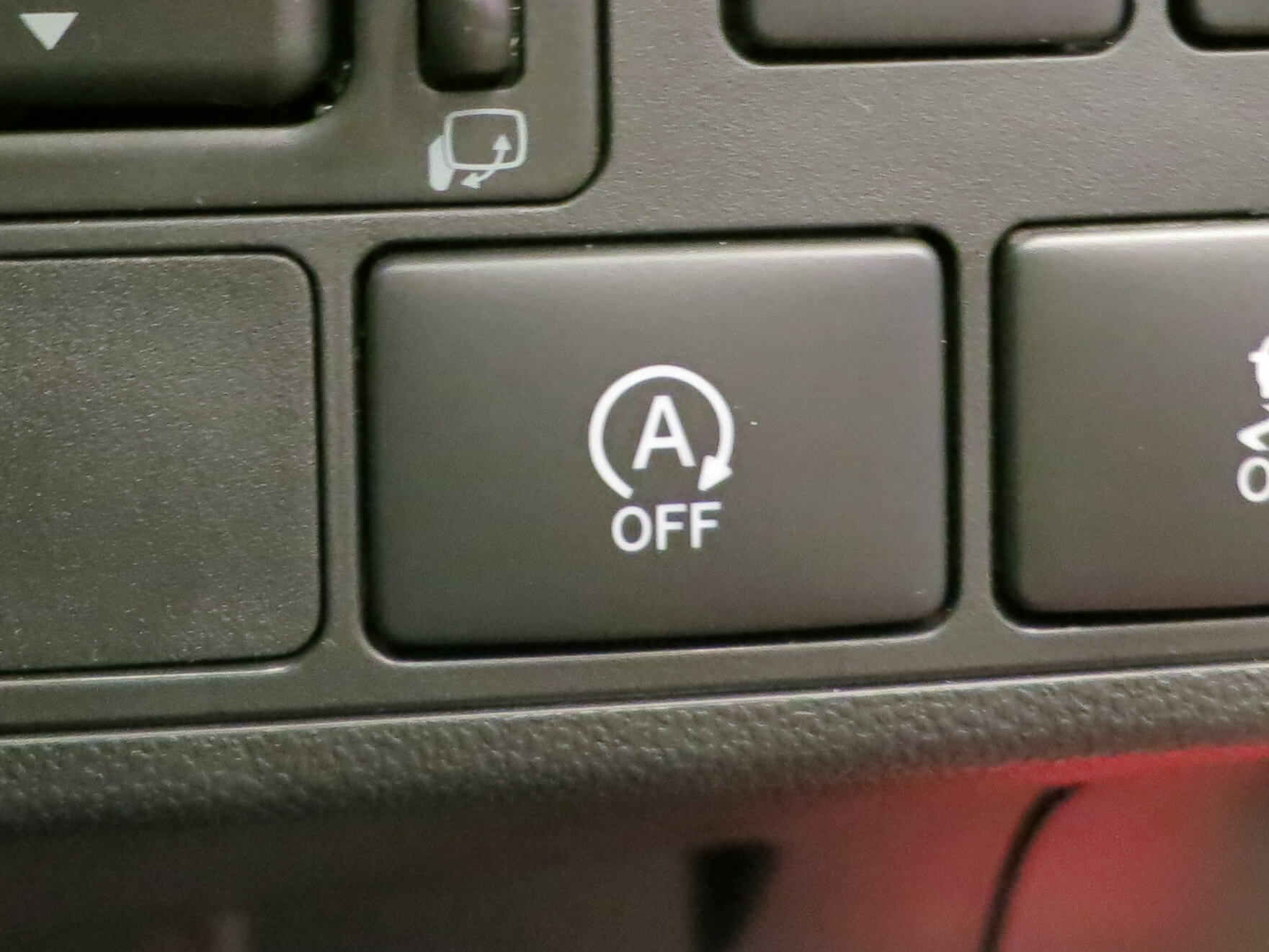
To do this, press the button with a circular arrow around the letter “A” that you use at the beginning of every trip. You can also permanently disable this feature at the dealership but that can cost time and money, making it more hassle than it’s worth.
“Most hybrid vehicles integrate the stop/start feature because it shuts the internal combustion engine down by design,” notes Ababio. “If there is no way to disable the start/stop feature, your installer may still install the device to allow safe operation of the vehicle when encountering stop lights, stop signs, and the like in the event of a random test.”
In general, if you’re wondering if you should disconnect your auto start/stop on your car now that you have an ignition interlock, the best course of action is to choose what works best for your comfort level as a driver and as an interlock customer.
What About Other Vehicle Features?
Modern vehicles come with more built-in technology than ever, and it is natural to wonder how those features work alongside your ignition interlock device.
Beyond automatic start/stop systems, a few features come up most often, including:
Remote Start Systems and Your IID
According to Intoxalock installation best practices, service centers should disable the remote start feature in your vehicle while Intoxalock IIDs are installed.
If your remote start feature remains intact after your interlock installation, “it is still your responsibility to take ALL required breath tests,” says Ababio.
If your vehicle does start remotely:
- Contact your Service Provider for proper interlock installation and return for all service appointments for your device.
- You may be presented with a breath test after starting the vehicle (or by simply turning the vehicle on).
- You are still responsible for all breath tests.
- Your ignition interlock device remains active and continues monitoring for compliance.
Call our Intoxalock State Specialists at (888) 283-5899 if you have any questions about the remote start feature so we can provide assistance.
Battery Performance and Electrical Systems
Newer vehicles rely heavily on electronics, and features like start/stop technology place additional demand on your battery.
Your ignition interlock device also draws a small amount of power, even when your car is off. Many devices include a sleep mode that reduces power consumption when they are not in use for a period of time.
To keep everything running smoothly:
- Drive your car regularly to maintain battery charge.
- Watch for slow starts or dim lights, which can signal a weakening battery.
- Use your IID device as directed so that sleep mode can activate when appropriate.
- Consider testing your battery before extreme weather seasons.
Learn more about car battery protection.
Push-Button Start and Keyless Ignition
Many vehicles now use push-button start instead of a traditional key.
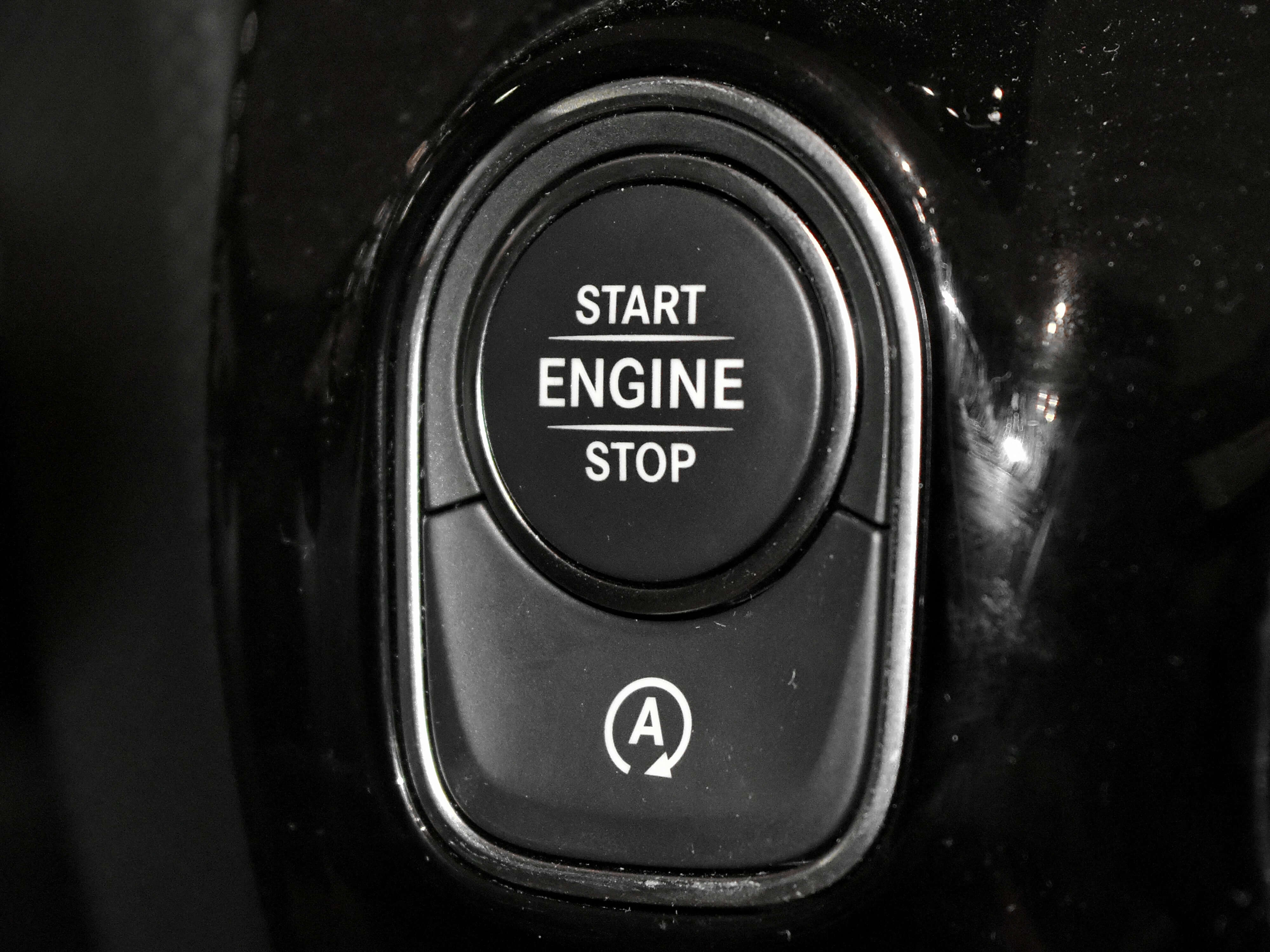
Your ignition interlock device controls whether the engine can start.
The process may feel slightly different, but the requirement stays the same:
- Provide an alcohol-free breath sample.
- Wait for the device to clear before starting the vehicle.
Once you learn the sequence, it becomes part of your safe driving routine.
Advanced Driver Assistance Features
Features like lane assist, adaptive cruise control, and automatic braking do not interact with your IID.
These driver assistance features do not affect:
- Breath test requirements
- Retest timing
- Device operation
The main takeaway is simple. Your ignition interlock device works alongside your vehicle’s technology, not against it.
As you get familiar with your car and your device, these features become easier to manage together.
Learn How Your Vehicle and IID Work Together
Automatic start/stop systems can feel unfamiliar at first, especially when you are adjusting to an ignition interlock device. Once you understand how each system works, the experience becomes familiar and easier to manage. You can keep the start/stop feature on or turn it off based on your preference. Either way, knowing what to expect helps you stay confident and in control throughout your commute.
You have support available throughout every step of your DUI or safe driving journey.
With nearly 6,000 locations nationwide and devices designed for easy use, Intoxalock® helps make the process more manageable.
If you have questions about your vehicle, your device, or your state requirements, call an Intoxalock State Specialist at (888) 283-5899. Our team can walk you through what to expect and help you move forward with confidence.
Ignition Interlock Device FAQs: Batteries, Retests, And Vehicle Features
This blog is for general information only and is not legal advice. Always consult a qualified attorney and your monitoring authority about your specific situation.
Can I change my car battery with an IID installed?
Yes, but it helps to plan this replacement in advance. Contact your provider before changing your battery so you can follow the correct steps. Disconnecting the battery can trigger a service alert or require a reset, so make sure you keep the receipts of your service if it was performed by a mechanic or at an independent service center, says Intoxalock’s Ababio.
Can I disconnect my battery with an IID installed?
As a condition of the program, your vehicle must have a working battery for its entire duration. If you need to change the battery, please call Intoxalock customer service at (888) 283-5899 or your closest service center.
Can an IID drain a car battery?
An ignition interlock device uses a small amount of power, even when the vehicle is off. Most drivers do not notice an issue, but a weak battery or long periods without driving can affect performance. Keeping your battery in good condition supports reliable operation.
What do I do if my car battery dies while I'm using an IID?
First things first: you need to address your battery issue, whether that means recharging or replacing it. If your battery is running low, your device may require a reset or a service appointment. After power is restored, the device may be on countdown to a lockout. If it’s not, you can wait until your next calibration appointment to have the system checked.
Will auto start/stop cause more retests?
No. Your ignition interlock device schedules retests independently of your vehicle’s start/stop system. If a test occurs at a stoplight, it is simply a matter of timing.