
What Happens If You Fail an Ignition Interlock Test?
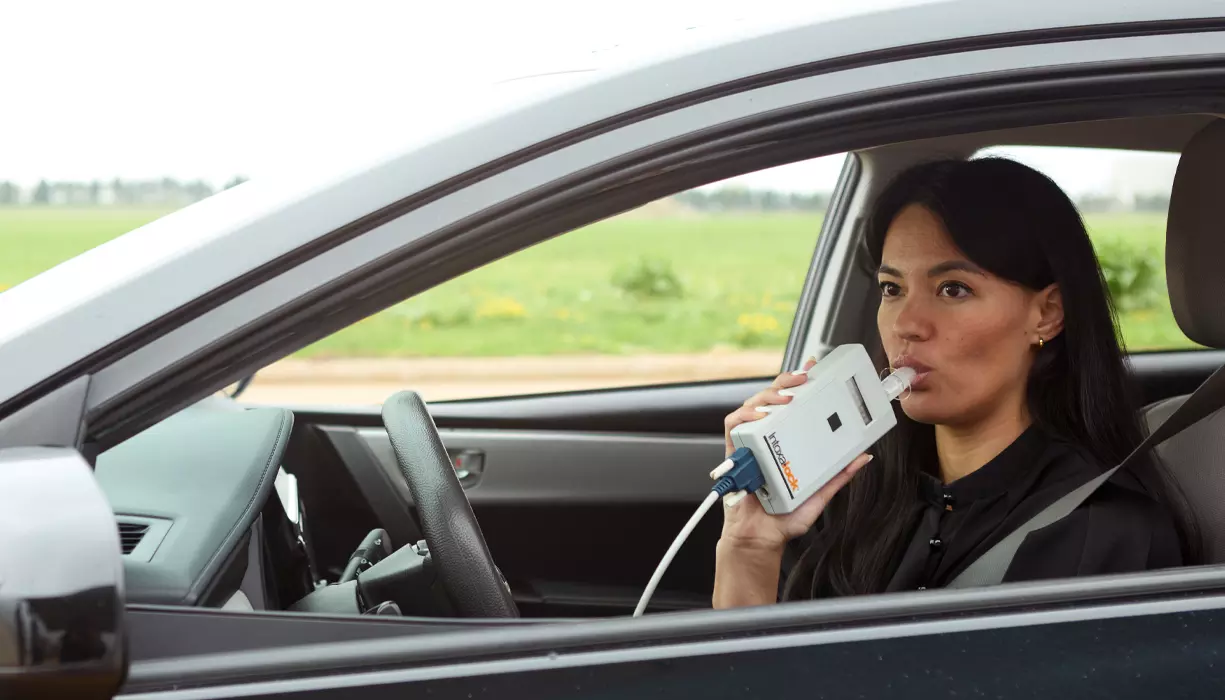
Failing an ignition interlock test can feel stressful but knowing what it means and how to respond can help you avoid unnecessary violations.
Key Takeaways:
- A failed ignition interlock test can happen for reasons beyond drinking alcohol, such as mouthwash, medication, or improper test technique.
- Startup test failures and random retest failures are different; monitoring authorities may treat them differently.
- Staying calm, retesting, and contacting support like an Intoxalock® State Specialist can help you move forward without added penalties.
Getting a DUI can make you feel out of control. An ignition interlock device is a chance to retake control of your situation, demonstrate responsibility, and build safe driving habits. Still, many people wonder what happens if you fail a breathalyzer test in your car, whether it’s during startup or while driving.
Read Next: A Guide to the First 90 Days With an Intoxalock Ignition Interlock Device
Failed tests occur for several reasons, and not all of them involve alcohol use. What matters most is knowing how the device works, why failures occur, and what steps you can take to stay on track.
By understanding why these tests register as failed and what happens afterward, you can approach each test with more confidence.
If you're convicted of a DUI and need to learn more about ignition interlocks, call our team at (888) 283-5899. This blog isn't considered legal advice; always consult with a qualified DUI attorney if you have specific questions.
What Counts as a Failed Ignition Interlock Test?
An ignition interlock device (IID) measures your breath alcohol concentration (BrAC). If your BrAC registers at or above the state-set limit (often between 0.02% and 0.04%), the device records the result as a failed breath test.
Before we get into the details, let’s clear up a couple of terms you’ll see often. When your device records a failed result, it can count as a violation. That might mean your BrAC was above the limit, you missed a random retest, or the system flagged tampering. If you rack up more than one violation in a short time, the device may go into a lockout. In simple terms, a lockout is when your IID won’t let the car start until you either retest or, in some cases, visit a service center.
Start Up Breath Test Failures
If you fail a startup test, your car will not start. The device may trigger a short waiting period before you can try again. In some cases, drivers experience a failed interlock test, then a passed situation, where the first result came from mouth alcohol, and the retest shows a clean reading. Even with a follow-up pass, your monitoring authority may still review the event to determine what happens if you fail the ignition interlock test at startup.
Random Retest Failures
Many IIDs require random retests while you drive. Failing a random retest can trigger the horn or lights to alert you to pull over safely. The car won’t shut off, but the event is recorded.
This type of failed interlock test can raise concerns with authorities since it occurs while driving. In fact, many of these failures happen the morning after drinking, when drivers underestimate how much alcohol may still be in their system hours later. When this happens, your monitoring authority may take a closer look to decide what happens if you fail a breathalyzer test in your car while driving.
Common Reasons You Might Fail Your Ignition Interlock Device Test
Not every failed test comes from drinking. Here are the most common causes.
Alcohol Consumption
Any amount of drinking before testing may cause you to fail a breathalyzer test in your car. Even small amounts of alcohol can linger in your system.
Learn more about how long a breathalyzer can detect alcohol and why standard drinks matter when tracking your intake.
Residual Mouth Alcohol from Food, Drink, or Products
Certain foods, mouthwash, and even energy drinks contain trace alcohol that can lead to failing a breath test on your ignition interlock. This “mouth alcohol” usually fades within minutes, which is why it helps to wait about fifteen minutes after eating or drinking and then rinse with water before retesting.
Check out our guide to common ignition interlock contaminants.
Environmental or Mechanical Issues
Extreme temperatures, calibration issues, or failure to follow the correct blow pattern can cause a failed interlock test.
If your interlock device failed test results keep happening without alcohol use, reach out to Intoxalock support.
How Ignition Interlocks Detect Failures
Ignition interlock devices use fuel cell technology to measure the alcohol level in your breath sample. If the reading is above the state limit, the device automatically records it as a failure and stores the data. These records are then transmitted to your monitoring authority, which is why even a single failed test can have consequences depending on state rules.
Immediate Effects after a Failed IID Test
So, what happens if you fail an ignition interlock test in the moment? It depends on your state’s IID laws and requirements, but most drivers experience either a short lockout or a recorded event that gets reviewed later.
- Temporary lockouts: The most common effect is a temporary lockout, which means your car won’t start for a short period of time after a failed test. This waiting period usually lasts a few minutes and gives you the chance to clear your mouth of any residual alcohol before retesting. Learn more with our video on temporary lockouts.
- Data recording and reporting to authorities: Every failed attempt is automatically saved in the device. Depending on your state’s rules, the information may also be sent to your monitoring authority — usually the DMV, a probation officer, or another state agency overseeing your IID program. Each state sets its own process, so reporting can look a little different depending on where you live. Learn more about how failed IID samples are reported.
Potential Consequences of a Failed Breath Test
The consequences of a failed interlock test often depend on the frequency of the occurrence and the surrounding circumstances. When failures occur more than once, repeated events can lead to extra requirements or a longer program.
- Warnings or violations: A single failed test may result in a warning. Multiple failures or ignoring retests may count as a violation.
- IID program extensions or additional requirements: In some states, repeated failures can extend your interlock program, require you to take more classes, or demand more frequent monitoring.
- Fines or license suspension: Repeated failures increase the risk of license suspension. If you’re asking, "Is failing an interlock test a violation of probation?", the answer depends on your state laws and the terms of your supervision. Always check with your monitoring authority or attorney.
What to Do If You Fail an IID Test
- Wait and retest: Many drivers experience a failed interlock test, only to pass a few minutes later. Often, the first failure comes from mouth alcohol that clears before the retest.
- Document the event: Keep track of what you ate, drank, or used before testing. This information can explain why you failed. If you’re asking, "What happens if you fail the Intoxalock breath test more than once?", keeping documentation can help your monitoring authority understand the context.
- Contact Intoxalock Support: If your interlock device's failed test results don’t make sense, call us. Intoxalock has over 5,500 locations and offers 24/7 customer support. Our team can walk you through troubleshooting or schedule a service check.
4 Steps to Avoid Future IID Test Failures
Start your car with confidence with these practical tips:
- Wait before testing after eating or drinking: Allow at least 10–15 minutes after consuming food, beverages, or products that may contain alcohol, like sauces, kombucha, or mouthwash. This gives any residual mouth alcohol time to dissipate and helps avoid a false fail.
- Rinse your mouth with water: A quick rinse with plain water before testing can clear lingering alcohol from products or food. This simple step reduces the chance of a failed reading caused by mouth alcohol instead of actual impairment.
- Keep your device clean and maintained: Schedule regular service checks and keep your device free from dust, debris, and moisture. Proper care reduces the risk of mechanical errors that could lead to interlock fail consequences.
- Buy a personal breathalyzer: Carrying a personal handheld unit gives you a way to check your BrAC before using your ignition interlock. Having a personal breathalyzer like Keepr® may help you avoid the stress of a failed breath test that could affect your program.
Stay Confident Through the Ignition Interlock Process
Failing an ignition interlock test can feel discouraging, but it does not mean you’ve lost your chance to move forward. Explore our how-to guides, videos, and knowledge center for detailed answers. Watch the video below to learn how to start your vehicle or read our guide on how to pass a car breathalyzer test.
If you have questions, our Intoxalock 24/7 customer support team is here to help. Please call us at (888) 283-5899.
Read Next: Five Actionable Tips to Help Save Time and Money on Your Ignition Interlock Device
FAQs About Failed Ignition Interlock Tests
Why does my Intoxalock device say failed?
Your device records a “failed” test when your breath alcohol concentration (BrAC) reads at or above the state-set limit, often between 0.02% and 0.04%. It can also register a failure from mouth alcohol, food, or incorrect blow patterns.
What BAC will fail an interlock test?
Most interlock devices register a failure at a BrAC of 0.02–0.04%, depending on your state threshold. Even small amounts of alcohol can trigger this result, which is lower than the standard DUI limit.
How many times can you fail an IID test before it’s a violation?
There’s no universal number. Some states treat multiple failed attempts in one day as a violation, while others allow retests if you pass afterward. Frequent failures may lead to program extensions or lockouts.
Can you fail a breathalyzer 12–24 hours after drinking?Can you fail a breathalyzer 12–24 hours after drinking?
Yes. Depending on your body, alcohol may remain in your system long after drinking. Learn more in our guide on how long a breathalyzer can detect alcohol.
Is failing an interlock test a violation of probation?
It can be. If you’re on probation, a failed interlock test may be reported to your supervising authority. Whether it counts as a violation depends on your specific probation terms and state laws.