How Long Can a Breathalyzer Detect Alcohol? What You Need to Know
This blog is for general information only and is not legal advice. Always consult a qualified DUI or criminal defense attorney and your monitoring authority about your specific situation. If you’re convicted of a DUI and need to learn more about ignition interlocks, call our team at (888) 283-5899.
(Updated as of 7/14/2026)
Alcohol can stay in your system longer than you think. Understanding how long alcohol stays in your system may help you make better and safer choices.
Several factors come into play when understanding how long a breathalyzer can detect alcohol in your system. Whether you're curious about the effects of two beers, how long alcohol stays in your breath, or whether you can pass a breathalyzer 12 hours after drinking, this guide will clarify the process.
We’ll also discuss why choosing Intoxalock ignition interlock devices is your best option for getting back on the road quickly and easily.
How Long Does Alcohol Stay in Your System for a Breathalyzer?
The body can detect alcohol for varying periods depending on body weight, metabolism, how much you drank, and other factors. In general, alcohol may remain detectable in your breath for up to 24 hours after consumption.
On average, most people metabolize about one standard drink per hour. That translates to roughly a 0.015% drop in blood alcohol concentration per hour. Coffee, cold showers, food, or sleep do not speed this up. Blood alcohol concentration may decline at unpredictable rates depending on your unique biology.
If you drank heavily, alcohol can still be present the next morning. That is why people sometimes fail a breathalyzer hours after they believe they are “fine.”
How a Portable Breathalyzer Can Help You Understand Your BrAC
A personal portable breathalyzer gives you insight into your breath alcohol concentration. Breath-testing devices measure breath alcohol concentration to estimate blood alcohol concentration.
Using a voluntary breathalyzer before you drive can:
- Help you see whether alcohol is still present in your breath
- Give you a better understanding of how your body processes alcohol
- Provide insight into your BrAC levels
A personal breathalyzer can provide a general estimate of your BrAC but should never be used to determine if you are legally or physically safe to drive. Personal breathalyzers are not a substitute for good judgment. But they can offer useful information when you are unsure how long alcohol has remained in your system.
If you use an ignition interlock device (IID), understanding your BrAC before attempting to start your vehicle can help you avoid unexpected lockouts or violations.
Alcohol Detection for Ignition Interlock Devices
A common question we receive is how long alcohol stays on your breath when using an ignition interlock device.
Ignition interlock devices detect alcohol in your breath as long as it remains at a level the device can register. The detection window typically depends on factors such as the amount of alcohol consumed, your individual metabolism, and the device's sensitivity.
On average, an IID can detect alcohol in the breath for up to a day after drinking. However, the window varies:
- A small amount of alcohol might be detectable for only a few hours.
- Larger quantities of alcohol could be detected for up to 24 hours or more.
It's important to remember that IIDs prevent your vehicle from starting if your breath alcohol level exceeds a pre-set limit, often around 0.02% blood alcohol concentration (BAC). That is why an IID can detect even trace amounts of alcohol that would prevent a vehicle from starting. IID set points and program requirements vary by state. Check your state's specific requirements or consult with your attorney.
Factors Influencing Breathalyzer Detection Times
The detection window for alcohol by a breathalyzer varies. On average, a standard breathalyzer can detect alcohol for about 12 to 24 hours after consumption. However, several factors can influence this detection window:
Amount of Alcohol Consumed
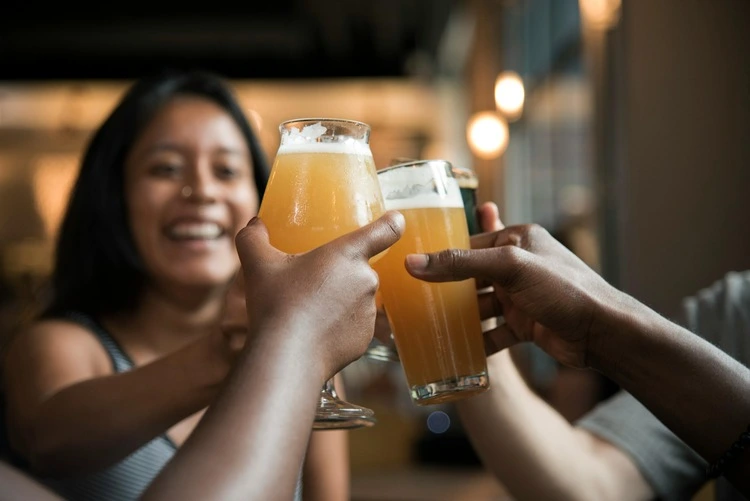
The total number of drinks matters most. The more alcohol in your system, the longer it takes your body to break it down. Binge drinking or consuming multiple drinks in a short period can significantly extend detection time, sometimes well into the next day.
Type of Beverage
Drinks with higher alcohol by volume (ABV), such as spirits or strong cocktails, can raise your BrAC more quickly than standard beer or wine. Mixed drinks can also contain more alcohol than you realize, especially when pours are generous.
Body Composition and Metabolism
Your weight, body fat percentage, sex, and metabolic rate all influence how alcohol is processed. Individuals with lower body weight or slower metabolism may reach higher BrAC levels and take longer to return to zero.
Food Intake
Eating before or while drinking can slow the absorption of alcohol into your bloodstream. However, food does not stop intoxication or speed up elimination. It may delay peak BrAC levels, but alcohol still needs time to metabolize.
Hydration and Overall Health
Fatigue, gender, certain medications, and liver health can also affect how your body processes alcohol. While water can help you feel better, it does not reduce your BrAC faster.
Because of these variables, trying to estimate when you are “clear” to drive can lead to costly mistakes, especially if you are using an ignition interlock device. Time is the only dependable factor when it comes to alcohol leaving your system.
FAQs: Breathalyzers and Alcohol
Because alcohol affects everyone differently, it’s normal to have questions about timing, detection, and what might trigger a reading. Here are clear answers to some of the most common concerns.
How long will two beers show up on a breathalyzer?
Most people metabolize about one standard drink per hour, but this is not a guarantee. Because metabolism varies drastically from person to person, two alcoholic beers may take around two hours or much longer. Your weight, sex, overall health, and the exact alcohol by volume of the beers heavily impact this timeline. Never rely on the “one hour per drink” rule to determine if you are legally or physically safe to drive.
Can you fail a breathalyzer 12 hours after drinking?
Yes, it is possible to fail an interlock test a dozen hours after drinking. If you consumed a significant amount of alcohol, it may still be detectable 12 hours later. Heavy drinking at night can result in measurable BrAC levels the next morning, which can trigger a failed IID test.
Read Next: What to Do If You “Blow Hot” on Your IID the Morning After Drinking
How much does BAC change in one hour?
On average, BAC decreases by about 0.015% per hour. This rate varies slightly between individuals, but it does not increase with coffee, cold showers, food, or sleep. Time is the only reliable factor in lowering BAC.
How can I tell if I’m drunk?
Common signs include slowed reaction time, poor coordination, impaired judgment, and slurred speech. The challenge is that alcohol also affects your ability to accurately judge your impairment. A breathalyzer provides objective feedback that your senses cannot deliver.
What besides alcohol can set off a breathalyzer?
Products like mouthwash, certain medications, or foods containing alcohol may cause a failed test due to contamination. Alcohol-specific fuel cell devices reduce some contaminated readings. Waiting several minutes and rinsing with water before retesting can help if you suspect residual mouth alcohol.
Will non-alcoholic beer show up on a breathalyzer?
Some non-alcoholic beers contain trace amounts of alcohol. Testing immediately after drinking could produce a failed test due to contamination. Waiting a few minutes before testing reduces the chance of a mouth alcohol result.
Where can I find a voluntary breathalyzer?
Personal portable breathalyzers are available through various retailers and online providers. Choosing a device that uses fuel cell technology can provide more reliable readings. If you are unsure what to look for, speaking with a knowledgeable representative can help you select an option that fits your needs.
Choose Intoxalock Ignition Interlock Devices for Peace of Mind
To ensure you’re driving safely and legally, it’s important to choose a reliable ignition interlock device that you can trust. Intoxalock is proud to offer the most trusted ignition interlock devices in the industry. Our devices offer reliable performance and user-friendly operation, giving you peace of mind as you regain your driving privileges.
With nearly 6,000 installation locations across the country, we make it easy for you to get back on the road safely and legally. If you’re dealing with a DUI and need an ignition interlock device, choose Intoxalock for highly accurate and reliable IIDs that meet or exceed the applicable NHTSA model specifications.
Call us today at 888-283-5899 to schedule your installation and take the first step towards safer driving. If you’re unsure whether alcohol has fully metabolized, a personal portable breathalyzer can help you understand your current BrAC levels.