What to Do If You “Blow Hot” on Your IID the Morning After Drinking
This blog is for general information only and is not legal advice. Always consult a qualified DUI or criminal defense attorney and your monitoring authority about your specific situation. If you're convicted of a DUI and need to learn more about ignition interlocks, call our team at (888) 283-5899.
Last night may be over, but your ignition interlock device might still detect alcohol the next morning. This is why.
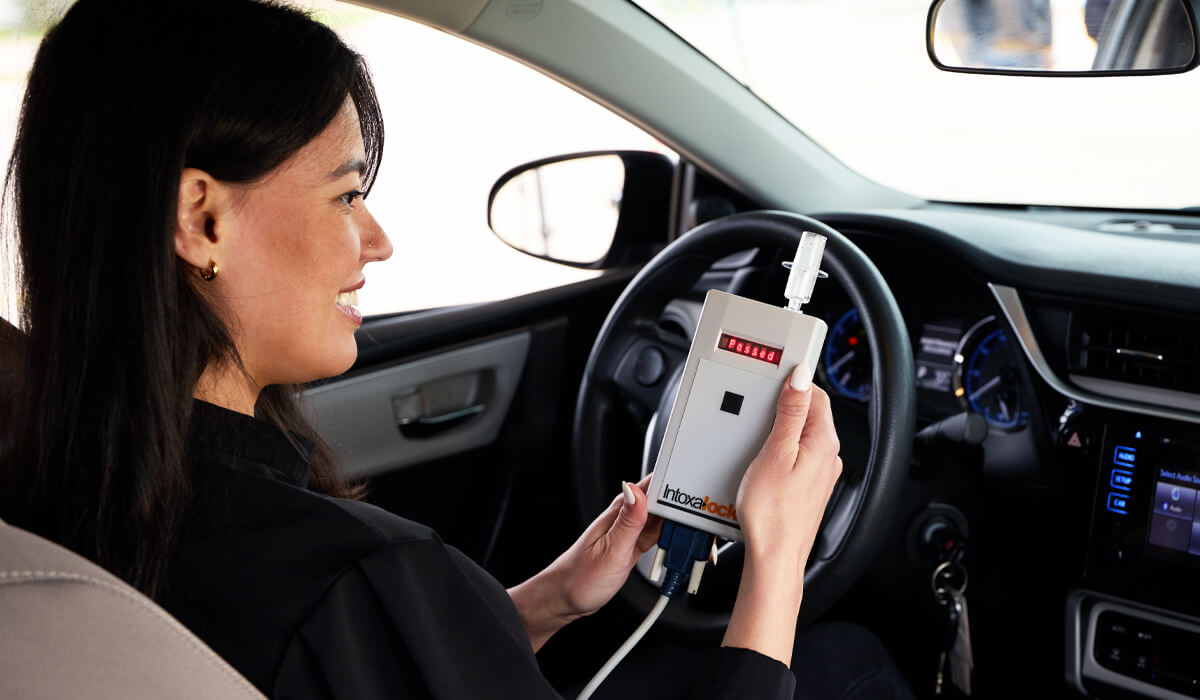
You wake up after a long weekend, a tailgate, a wedding, or a night out after classes. You feel tired, maybe a little foggy, but not drunk. You get in the car, blow into your ignition interlock device, and it flags alcohol.
That moment can make your stomach drop.
A “blow hot” result doesn’t necessarily mean you tried to drive drunk. It means your device detected alcohol in your breath sample. That matters because the device may record the test, and your monitoring authority may review it under your state's rules or program requirements.
You may feel ready to drive before your body has cleared the alcohol in your system. Coffee, food, sleep, or a shower may help you feel more awake, but they don’t speed up how your body processes alcohol. So, what can you do?
What Happens When You “Blow Hot”?
“Blowing hot” means your IID detected alcohol in your breath sample above the level allowed by your device or program. The exact result depends on your state, your court or Department of Motor Vehicles (DMV) requirements, and your monitoring rules.
“Blowing hot” may not be a sign of your interlock’s inaccuracy or error. It may be because the interlock indicates there is alcohol to measure in the breath.
A failed ignition interlock test may prevent your car from starting. Your device may log the date, time, and result. Your monitoring authority may review your test activity, including passes, fails, and retests, as part of your IID program.
What happens next depends on your program, but a failed test may lead to:
- A temporary lockout
- A required retest
- A service appointment
- A report to your monitoring authority
- A possible violation
- A possible extension of your IID requirement
Not every failed test carries a consequence, but every failed test deserves attention.
What to Do if You “Blow Hot”
First, don’t panic. A flagged test can feel stressful, but rushing into repeated attempts or guessing at the next step can make things harder.
Start with these steps:
- Read the device message and follow the instructions on your IID screen.
- Avoid repeated attempts if alcohol may still be in your system. Your device may log repeated attempts as multiple failures, even if the same issue caused them.
- If your device program allows for repeated attempts, think through possible causes. Did you drink late the night before? Did you use mouthwash? Did you eat or drink anything right before testing?
- Rinse with water and wait to see if contamination may be the issue.
- Write down what happened. Note the time, what you consumed, and any device messages.
- Contact Intoxalock for device questions. If you have immediate questions about your IID, contact an Intoxalock State Specialist at 888-283-5899. We want to help new and existing customers navigate IID questions as smoothly as possible.
- Contact your attorney or monitoring authority for legal questions. Intoxalock can assist with the ignition interlock process, but we cannot provide legal advice or guarantee a license.
Now, let’s look at why this situation may pop up in the first place. To do that, we need to examine the basics of alcohol metabolization and how it can affect your IID readouts.
How Does the Body Metabolize Alcohol?
Your body breaks down alcohol mainly through your liver. The National Institute on Alcohol Abuse and Alcoholism explains that enzymes help break alcohol into other compounds so your body can eliminate it. Your body’s ability to metabolize alcohol can also be affected by:
- Your genetics
- Personal nutrition and the food you eat
- How much you’ve had to drink
- Your overall health
It’s estimated the body processes alcohol at about 0.015 blood alcohol concentration (BAC) per hour on average. But again, that depends on the individual.
For example, if your BAC reached 0.08, your body may need more than five hours to return to 0.00 based on the general estimate. If you had several drinks one right after the other, your BAC may continue rising even after you stop drinking.
Which Factors Affect Your Breath Alcohol Concentration (BrAC)?
Because your breath alcohol concentration (BrAC) relates to alcohol in your system, several real-life factors can affect what happens when you test. Let’s examine some of the more common factors that can have an impact on your BrAC.
Number of Drinks
More drinks mean more alcohol for your body to process. A standard drink contains about 14 grams of alcohol, which equals roughly 12 ounces of beer, 5 ounces of wine, or 1.5 ounces of 80-proof liquor.
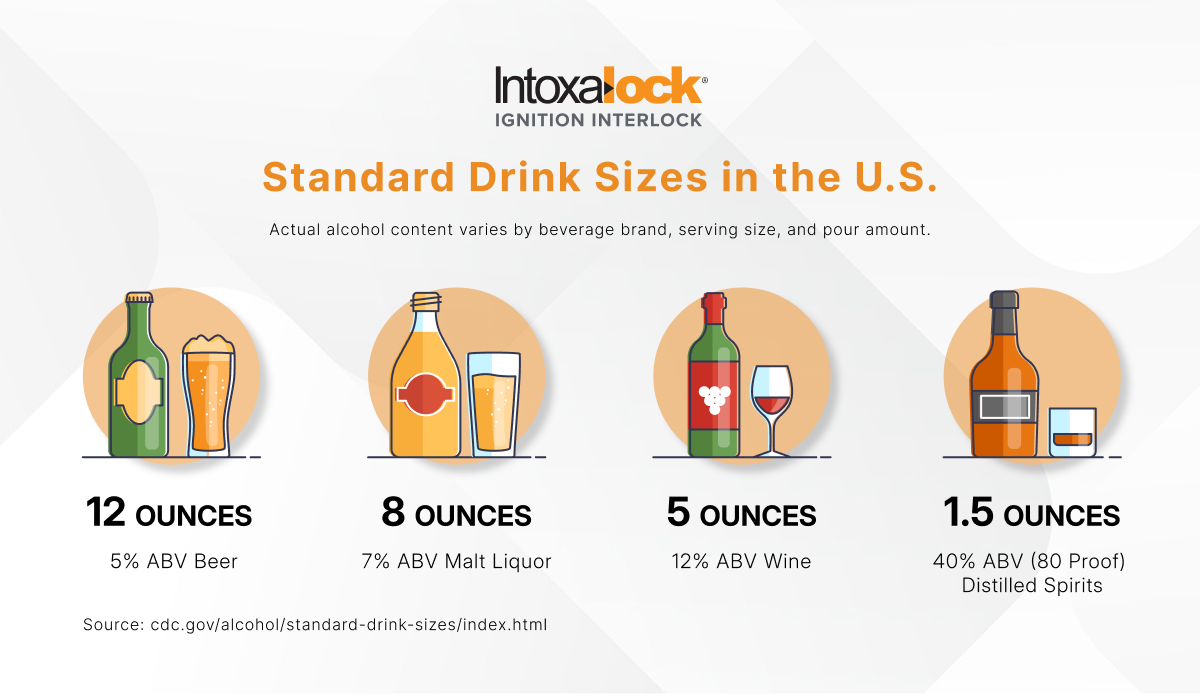
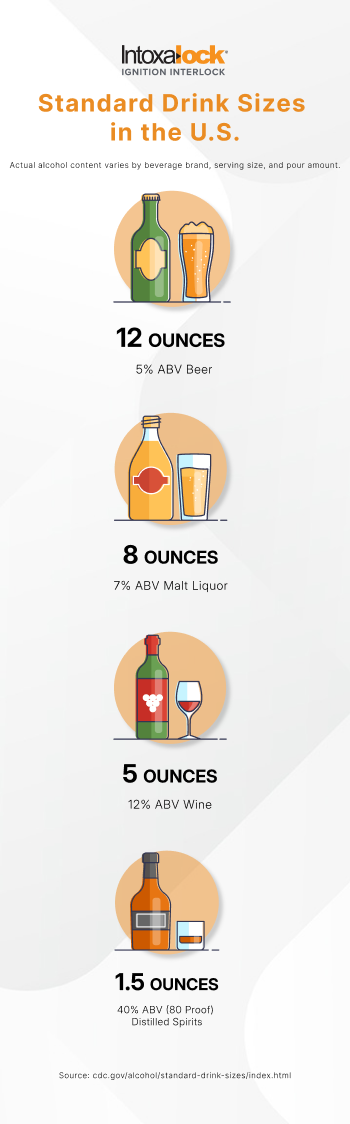
Let’s say you had six drinks between 7 p.m. and midnight. You may feel okay at 8 a.m., but your body may still be working through the alcohol. If those drinks included strong pours, doubles, large craft beers, or mixed drinks, you may have consumed more alcohol than you realized.
When You Stopped Drinking
The clock doesn’t start when you wake up. It starts after alcohol enters your system and your body begins processing it. The Cleveland Clinic says alcohol can take around 60 to 90 minutes to reach peak blood levels after drinking begins.
That matters after late nights spent drinking. If your last drink was at 1 a.m., a 7 a.m. test gives your body only six hours between your final drink and your IID test. If you had several drinks, your body may need more time.
When You Blow Into Your IID
The timing of your test matters. A test at 7:00 a.m. may look different from a test at noon because your body has had more time to process alcohol.
Time isn’t a magic shield. Alcohol may show up on a breath test for up to 24 hours in some cases, especially after heavy or late-night drinking. Avoid driving until you feel confident that alcohol has cleared your system, and your program’s rules allow you to proceed.
Why Alcohol Can Impact a Breath Test, Even a Day Later
Alcohol doesn’t leave your body just because you got a little shut eye. Breath testing works because some alcohol leaves your body through your lungs. If alcohol remains in your system, your IID may detect it. That can happen even when you feel rested enough to drive, especially after heavy drinking or drinking late into the night.
This is why “I slept it off” can create problems. Sleep can help you rest, but it doesn’t speed up liver metabolism. Coffee may make you feel more awake, but it doesn’t clear alcohol from your system faster.
What Are Common Alcohol Myths?
Let's bust some common myths about driving decisions following alcohol use:
- “I feel fine, so I must be okay to drive.”: Your IID doesn’t measure confidence, balance, or vibes. It measures alcohol.
- “Coffee sobers me up.”: Coffee can make you feel more alert, but it doesn’t quickly remove alcohol from your system.
- “A big, greasy breakfast soaks up the booze.”: Food can affect alcohol absorption, but it doesn’t guarantee a clean breath test.
- “Mouthwash will help.”: Some mouthwash contains alcohol, which could potentially lead to a positive result. In fact, a variety of foods, drinks, and other contaminants can affect some breath tests. Rinsing with water and waiting before retesting may help in certain situations.
Remember to contact your attorney or monitoring authority for legal questions. Intoxalock can assist with the ignition interlock process, but we cannot provide legal advice or guarantee a license.
Want to learn more about foods and drinks that could affect your IID reading?
Avoiding Contaminants: 9 Potential Triggers for Ignition Interlock Beyond Alcoholic Drinks.
Can I Drive If I Feel Okay After Drinking Alcohol?
Feeling okay after consuming alcohol isn’t enough, even if your last drink was a few hours ago. If your interlock detects alcohol, take the result seriously and avoid doing anything that could create a bigger compliance issue.
Do not try to:
- “Beat” the device
- Ask someone else to blow into it
- Disconnect it
- Keep attempting to pass without understanding the program rules
These violations may result in stiffer penalties and/or fines related to your case. If you are concerned about a positive alcohol test, contact your attorney for any legal questions. Intoxalock can assist with the ignition interlock process, but we cannot provide legal advice.
Want to learn more about detection windows?
Still Have Questions? Intoxalock Is Here
Using an interlock can feel overwhelming at first, especially after a flagged test. But you don’t have to figure out every device message, service appointment, or next step on your own.
Intoxalock has almost 6,000 locations nationwide and top-rated devices designed for easy use. If you need help today, talk to one of our State Specialists by calling 888-283-5899.
Ignition Interlock Device FAQs
This blog is for general information only and is not legal advice. Always consult a qualified attorney about your specific situation. If you're convicted of a DUI and need to learn more about ignition interlocks, call our team at (888) 283-5899.
What is an ignition interlock device (IID)?
An IID, sometimes called a car breathalyzer, connects to your vehicle and checks your breath alcohol content (BrAC) before the car starts. You blow into the device, and if your BrAC is below the device’s set threshold, your car may start. If the device detects alcohol above that level, it prevents the engine from starting.
What does “blowing hot” mean?
“Blowing hot” means your ignition interlock device detected alcohol in your breath sample above the allowed level for your device or program. Your car may not start, and your device may record the result. “Blowing hot” is often not a sign of your interlock’s inaccuracy or error, rather an indication there is alcohol to measure in the breath. If this happens, your state, court, DMV, or monitoring authority decides what consequences may apply.
How long does alcohol stay in my system?
Alcohol doesn’t clear your system on a general set schedule. It’s estimated your body processes about 0.015 blood alcohol concentration (BAC) per hour. Heavy drinking, late-night drinking, stronger drinks, medications, food, body size, biological sex, and overall health can all affect how long alcohol remains in your system. In some cases, breath tests may detect alcohol for up to 24 hours.
How long after I drink can my interlock detect alcohol?
Your IID may detect alcohol the next morning and, in some cases, later the same day after drinking. The risk increases if you drank heavily, late at night, or had stronger drinks than you realized. Feeling alert doesn’t mean your breath alcohol concentration has cleared.
What if I follow the steps and I still “blow hot”?
Don’t repeat testing without thinking things through. Read your device message, document what happened, and contact Intoxalock for device support. If you have questions about violations, extensions, or legal consequences, talk with your attorney or monitoring authority.
Can mouthwash or food cause a positive interlock reading?
Some products and foods may cause contamination. If you recently ate, drank something other than water, used mouthwash, smoked, or vaped, rinse your mouth with water and wait before testing again if your program allows it. Intoxalock’s contaminant guide can help you spot common triggers.