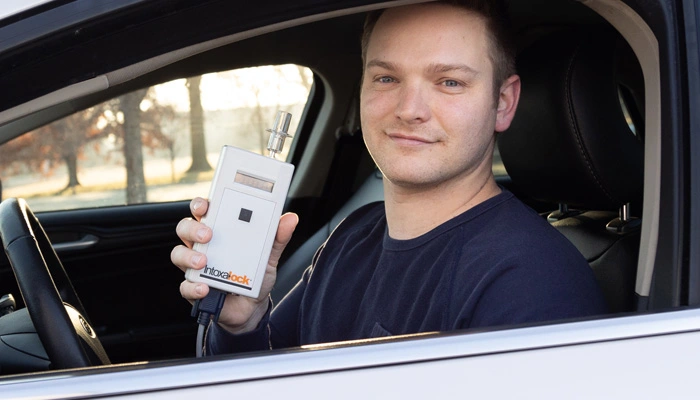
Understanding What Gets Reported from Your Interlock: Fails and Retests

If you fail an ignition interlock test, you may be worried about what happens next. Here’s what the device reports, who sees it, and how it can affect your driving privileges.
Key Takeaways:
- Your ignition interlock device records test failures. Your device automatically shares activity reports, including test results, missed retests, and calibration records, with the monitoring authorities overseeing your program.
- Interlock reporting rules vary by state, and the type or reason for failure matters.
- You can avoid future violations by understanding how the device records data, watching for everyday triggers, and using tools like personal breathalyzers for peace of mind.
Getting a DUI can leave you with questions about how an ignition interlock device (IID) works and what happens if you fail a test. An IID records every breath test you take and reports key information to the authorities overseeing your case. Understanding what your device shares, when it reports results, and who receives them helps you stay compliant and avoid unnecessary stress.
This blog isn't considered legal advice; always consult with a qualified DUI attorney if you have specific questions. If you're convicted of a DUI and need to learn more about ignition interlocks, call our team at (888) 283-5899.
What Is an Ignition Interlock Test Fail?
An ignition interlock device (IID) checks your breath alcohol concentration before your car will start. If alcohol is detected above your state’s set limit, the test is considered a fail. Even if you have no alcohol in your system, certain foods, drinks, or even mouthwash can cause a contaminated reading.
The important thing to remember is that a test failure doesn’t always equal a violation. What matters is how your device reports the results.
Consequences of Failing an Interlock Ignition Device Test
When you fail a test, your car won’t start right away. A bigger concern comes from how your device records and reports the failure. Your IID logs every attempt you make, including passes, fails, and retests.
How an Interlock Ignition Device Stores Data
Every Intoxalock® device records test results using advanced fuel cell technology. Your device stores data electronically and uploads it during each required calibration or through wireless transmission, depending on your state’s rules.
Need to schedule a calibration appointment? With more than 5,500 certified locations nationwide, Intoxalock has the largest network to serve you. Find one close to you.
What Your Interlock Reports at Calibration and What Happens Next
At each IID service visit, your technician reviews the data from your breathalyzer and sends it to the authority overseeing your DUI case. This could be your state Department of Motor Vehicles (DMV), probation officer, or court program. Reports often show a timeline of each test, including the time, date, and result.
- When you pass your blow test: Your device records the pass, stores the result, and no further action is required.
- When you pass, but the device loads slowly: Delays don’t hurt your record, but they still appear in your ignition interlock report, and your monitoring authority reviews those details to track your progress.
- When you fail, but pass the retest: When you pass the retest, this often indicates possible contamination from food or mouthwash. Many states recognize this and don’t treat it the same as an alcohol-related violation.
- When you fail with a low BAC: A low blood alcohol concentration (BAC) generally means your breath alcohol concentration is between 0.02% and 0.04%, depending on your state’s limit. A reading in this range may trigger extra monitoring or more frequent retests, but it usually doesn’t carry the same weight as a high BAC violation.
- When you fail with a high BAC: A high BAC is typically 0.05% or higher, or any level that meets or exceeds your state’s preset threshold for serious violations. The system flags and reports these results as significant to your monitoring authority. Depending on your state, they can lead to extended interlock requirements, license suspension, or even a probation violation in some cases.
Learn more: 9 Potential Triggers for Ignition Interlocks Beyond Alcoholic Drinks
When Does an Interlock Ignition Device Send Reports?
Each state has rules for reporting. Some require that all device data be submitted every 30 or 60 days; others mandate that providers report failed or missed retests within 24 to 72 hours. In many states, providers must regularly submit full device activity reports, often within a set number of days after each calibration or monitoring visit.
If you’re asking, “Does an interlock report to probation?”, the answer depends on your state’s laws and sentencing terms. In many states, probation officers or monitoring programs receive updates when an ignition interlock test is failed or missed. According to the National Conference of State Legislatures, every state sets its reporting and monitoring requirements, and in some cases, the Department of Motor Vehicles (DMV) also reviews those results as part of license reinstatement.
Who Receives an Interlock Ignition Device Report?
Your ignition interlock device automatically creates activity reports that show test results, including passes, fails, missed retests, and any signs of tampering. Your device sends reports directly to the agency overseeing your case, which may include:
- DMV or Department of Licensing – often the primary authority managing reinstated licenses.
- Probation officers – if your DUI sentence included probation, your officer may receive direct updates.
- Court or treatment programs – some states require monitoring by the court or a DUI education program.
If you’re asking what an interlock report looks like, it usually contains a line-by-line log of your test attempts, times, and outcomes.
Varying Reporting Regulations by State
Because each state has different rules, knowing your state’s process is critical. For example:
- Ohio law requires reports of any failed or missed tests, with possible sanctions for multiple violations.
- Idaho statutes require service providers to notify courts of failures promptly.
- Wyoming regulations allow courts to receive logs of all interlock activity.
- Florida requires reports of certain violations to be sent to the DMV. Submit ignition interlock device data log within three days of calibration. Report signs of tampering within 48 hours.
- California requires interlock providers to notify the DMV of failed tests and missed calibrations within 48 hours of the scheduled appointment, which can trigger license actions.
- Virginia mandates reporting lockouts and fails to the DMV within 24 hours following a calibration appointment and, in many cases, to probation officers as well.
- Georgia expanded its reporting period to 10 years for DUI lookbacks, and interlock providers must submit detailed reports to the Department of Driver Services to confirm compliance.
- Colorado treats interlock violations seriously, including missed service visits, failed breath tests, or tampering. Providers can report these violations directly to the DMV, which may extend your interlock requirement or suspend your license.
This variety of state reporting requirements means that what happens after a failed interlock test can differ significantly across states. The same result might lead to added monitoring in one state but a license suspension in another.
Tips for Avoiding an IID Test Fail
Here are some ways to avoid a stressful interlock test failure:
Watch What You Consume Before Using Your IID
Alcohol-based products like mouthwash, breath spray, some desserts, and even bread with high levels of yeast can trigger contaminated readings. Wait at least 15 minutes before testing if you’ve had anything with alcohol content.
Choosing a Personal Breathalyzer
Many drivers carry a portable breathalyzer device for extra assurance. Tools like Keepr® allow you to check your breath alcohol content before taking an IID test, giving you confidence and potentially preventing unnecessary violations.
DUI Support When You Need It
You’re not alone on your DUI journey. With over 5,500 locations nationwide, Intoxalock makes it easier to stay compliant. Our State Specialists understand your local rules and can guide you on what each test result means in your state. Our 24/7 customer service team is here when you need answers right away.
Staying on Track with Your DUI Program
Interlock tests don’t always go as planned, but that doesn’t mean you’re off track. Understanding how reports are generated, who receives them, and what your options are helps you stay compliant and keep moving forward with confidence.
Read Next: A Guide to the First 90 Days With an Intoxalock Ignition Interlock Device
If you have immediate questions about interlock fail consequences or need help navigating your state’s rules, reach out to an Intoxalock State Specialist at 888-283-5899. We’ll guide you through your next steps to help you stay on track.
Interlock State Reports: FAQs
How many interlock violations can you have?
What happens if you get a violation on the interlock?
IID violations can result in extended time with the device, license suspension, or additional fines. In serious cases, probation officers may file reports with the court.
Does the interlock report to DMV?
Yes, in many states, the DMV receives interlock reports directly and uses them to decide whether your license remains valid.
Does the interlock report to probation?
If probation is part of your sentence, your officer is likely receiving your interlock reports.
What does an interlock report look like?
An IID report typically lists each test by date and time, along with the result (pass, fail, or missed retest).