
IID Installations for Work Trucks, Oversized Vans, and EVs: A How-To Guide
This is general information only, not legal advice. Always consult a qualified DUI or criminal defense attorney and your monitoring authority about your specific situation. If you’re convicted of a DUI and need to learn more about ignition interlocks, call our team at (888) 283-5899.
Ron Cardenas, an IID installation specialist at Intoxalock, shares how interlocks work in work vehicles and why the right technician can make a big difference.
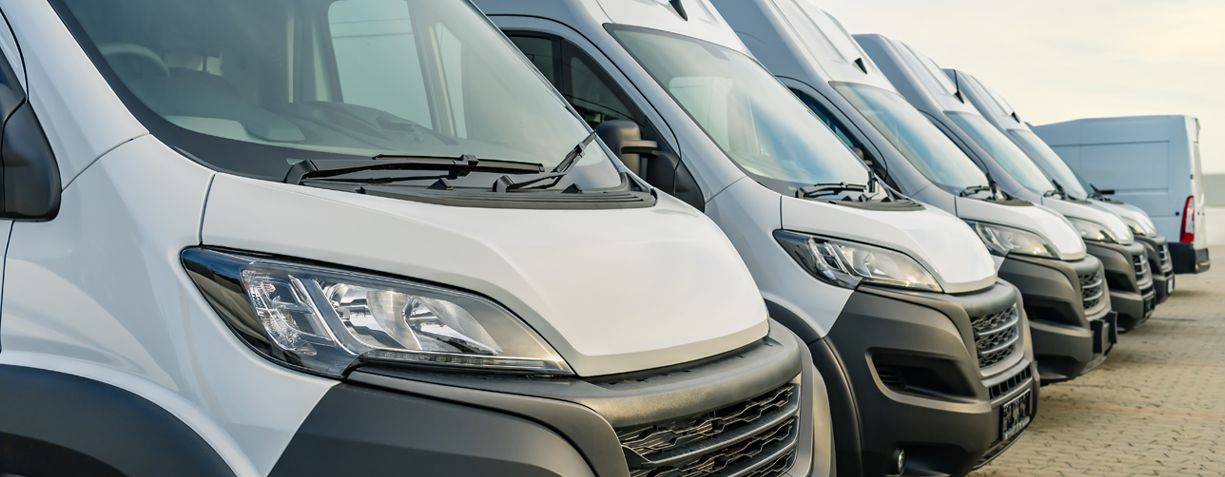
If you’re asking, "Can I get an IID installed in my work truck?" the answer is generally yes. Work trucks, fleet vehicles, construction equipment, oversized vehicles, and EVs all have different wiring and electrical systems than standard passenger cars, which can complicate IID installation.
But these complications don’t necessarily prevent a technician from installing an interlock in your work vehicle. As Ron Cardenas, an IID installation specialist at Intoxalock, shares in this article, work vehicles and EVs can be fitted with IIDs, but there are requirements to know before scheduling an ignition interlock device installation.
Is There a Difference Between a Work Truck and a Commercial Vehicle?
Yes, there is a difference between work and commercial vehicles, especially as it relates to the discussion in this article.
A Commercial Motor Vehicle (CMV) is a legal, regulated category that meets specific federal or state rules that may be overseen by the Department of Transportation (DOT). Commercial drivers and other drivers subject to DOT rules can face separate testing, Commercial Driver's License (CDL), and employment requirements after alcohol- or drug-related violations.
Under the common Federal Motor Carrier Safety Administration (FMCSA) definition, a vehicle is generally a CMV if it meets one of these thresholds:
- It has a gross vehicle weight rating or gross combination weight rating of 10,001 pounds or more
- It carries more than eight passengers, including the driver, for compensation
- It carries more than 15 passengers, including the driver, without compensation
- It transports hazardous materials that require federal placards
A work vehicle is a broad, everyday term for any vehicle you use to do your job, whether personally owned, company-owned, rented or leased. It does not automatically qualify as a federally regulated Commercial Motor Vehicle.
Examples of work vehicles may include:
- Plumber’s pickup truck
- Electrician’s van
- A sales rep’s sedan
- A food delivery driver’s personal car
For the information in this article, we are focusing on work vehicles and other non-standard vehicles that may be compatible with an ignition interlock. We do not provide information for commercial vehicles or drivers with CDLs; speak to a legal professional for that guidance. This article is for general information only; if you have specific questions about a DUI, consult with a qualified attorney.
Why Should I Get an IID Installed in My Work Vehicle?
There are many reasons to get a work vehicle IID installed. Ron Cardenas, Vehicle Installation Process Specialist at Intoxalock, says, “I've spoken to business owners, and they've said, ‘Hey, we have an employee who has a DUI. He's a great employee, and we don't want to get rid of him. He made a mistake, and we want to work our way through it.’”
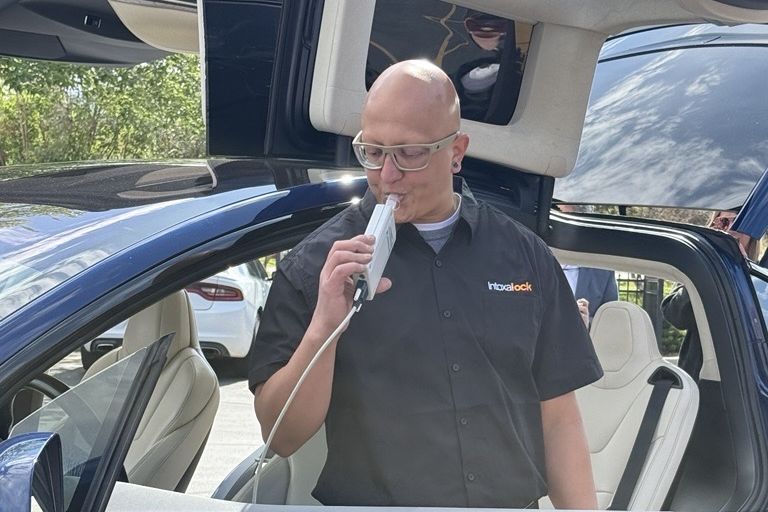
Ron Cardenas, Intoxalock Vehicle Installation Process Specialist
The Types of Vehicles You Can Put an IID In
With a work vehicle IID installation, you aren’t limited to a specific truck type. However, the way the IID is installed depends on the vehicle’s electrical system and overall compatibility.
Pickup Trucks
Most modern pickup trucks are compatible with ignition interlock devices, which makes the installation process more straightforward than you might expect. However, ignition interlock compatibility depends on the age of your truck and its electrical system.
Construction or Work Vehicles
Most utility vehicles, bucket trucks, construction trucks, and other specialized work vehicles can support IID installation. The operating system type and its wiring configuration will determine compatibility.
Oversized Vans
If you deliver items or transport passengers and your state requires an IID, or if you have an employee who needs one, shuttle vans, passenger vans, and large cargo vans can support IID installation.
Electric or Hybrid Vehicles
Hybrid and electric vehicles are common in work fleets and have unique systems compared with gas-powered vehicles. Still, many EVs and hybrids can handle IID installation, with the right equipment and technicians.
Fleet Vehicles
If you manage a fleet of vehicles, you may want to install IIDs voluntarily as a component of your safety program. “Some private fleet truck owners put cameras, GPS, and breathalyzers in those vehicles to ensure their drivers aren't stopping at a bar for lunch,” says Cardenas.
RVs
Most RVs can accommodate an IID installation, but their electrical systems are different from those in passenger cars and require an experienced service center. An IID provider can help you understand if an install can be done on your specific make and model RV.
IIDs are only one part of keeping the roadways safe, and they’re used alongside monitoring technology, telematics, and GPS tracking.
What to Consider and How to Plan for Your Installation
Installing an IID in a work vehicle takes more planning than a standard passenger vehicle, so you’ll want to prepare in advance to reduce delays. Our specialists at Intoxalock will walk you through what to expect at your installation appointment.
You’ll Need Written Permission From the Vehicle Owner
If you don’t own the vehicle, you’ll need to get written authorization from the owner. That’s especially important if it’s an employer-owned truck, fleet vehicle, or other work vehicle. You may also need permission if the vehicle is leased.
You May Need to Fill Out Additional Paperwork
Work vehicles typically require more than a standard IID appointment since additional documentation is required. That can include exemption paperwork, authorization forms, or documents requested by the licensing agency.
Not Every Vehicle Can Have an IID
Many work vehicles qualify, but not all do, and some vehicles aren’t compatible with an IID. In some cases, the specialized equipment in a work vehicle, especially if it’s an EV, a hybrid, or an older vehicle, may not work with an IID. Verifying vehicle compatibility before scheduling an appointment is important.
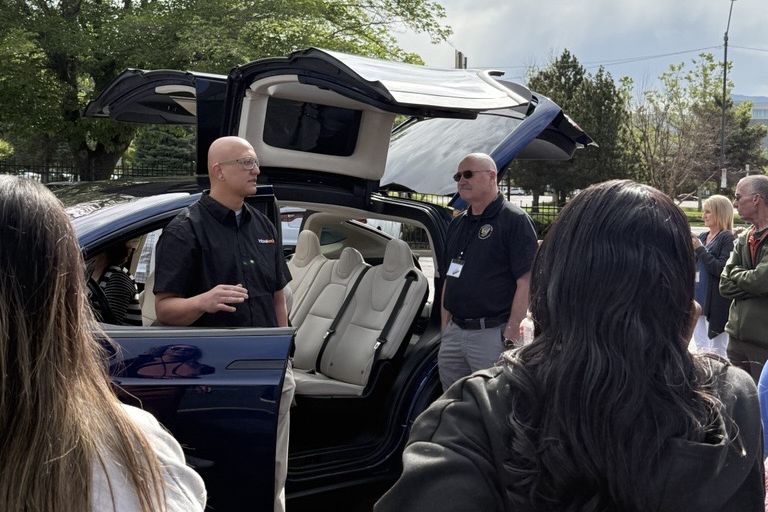
Intoxalock’s Ron Cardenas discusses IID installation on EVs (electric vehicles).
The Type of Work Vehicle You Drive Determines the Process
Installing an IID in a box truck is different from installing one in a pickup truck or cargo van. In a heavy-duty work vehicle, you’ll need different wiring and mounting locations. That means you need a technician familiar with the installation process for your specific vehicle type, or for your fleet if you have more than one. Intoxalock works with nearly 6,000 service centers nationwide and will match you with a trusted and experienced technician.
How to Find a Service Center That Will Install an IID in a Work Vehicle
Finding the right service center is essential, and it’s not always easy. “Service centers that can work on those vehicles are few and far between because information is limited, and there aren’t very many experienced technicians willing to work on those types of vehicles,” says Cardenas.
When you choose a service center, ensure the techs have experience with your specific type of work vehicle and the training, equipment, and manufacturer support needed for installation. An Intoxalock State Specialist can connect you to one of our nearly 6,000 service center locations nationwide that has experience with work vehicle IID installation.
What Are the Challenges of Having an IID in a Work Vehicle?
Using an IID in a work vehicle entails logistical considerations that generally don’t apply to personal vehicles. For example, you may need to:
- Coordinate service appointments around work schedules
- Get employer approval for maintenance visits
- Account for longer installation times
- Communicate with dispatchers or supervisors for service
- Complete calibration or maintenance appointments on schedule
Planning is vital to avoid disrupting work responsibilities and requirements.
Is There a Difference Between Using an IID in a Work Vehicle vs. a Standard Passenger Vehicle?
In most cases, the day-to-day operation of an IID is the same regardless of the vehicle. A breath sample is required to start the vehicle and for retests. The biggest difference is in servicing and compatibility, not post-installation use.
How Intoxalock Can Help with Your Work Vehicle IID
Installing an IID in a work vehicle might seem complicated, but the right technician makes a big difference. If you’re ready to learn more about installing an IID in your work vehicle, call us at (888) 283-5899 or get in touch online to find the closest service center to perform the installation.
At Intoxalock, we’re here to answer your questions about vehicle compatibility and connect you with a service center that can work on your vehicle.
Frequently Asked Questions About Work Vehicle IID Installation
This is general information only, not legal advice. Always consult a qualified attorney about your specific situation. If you want to learn more about ignition interlocks, call our team at (888) 283-5899.
How do I talk to my employer about having an IID installed in my work vehicle?
Be honest about your legal requirements and explain that an IID lets you continue driving legally if required by state law. Prepare to discuss installation, maintenance appointments, and any needed paperwork.
What if my work vehicle is part of a fleet?
Talk to your fleet manager or supervisor first. Fleet vehicles typically need company approval before IID installation, and some employers already have policies in place.
What if my employer switches me to a different vehicle after my IID is installed?
Let your IID provider know right away. Moving an IID to a different vehicle may require an additional vehicle switch appointment and authorization, especially if the two vehicles differ significantly in type or size.
My employer installed voluntary IIDs on all fleet vehicles, but I don’t have a DUI. Do I still have to use the interlock?
Your lack of a DUI does not normally exempt you from a company-wide program but be sure to check your company policy and speak to an attorney if you have specific questions. An ignition interlock applies to the vehicle and the employer’s safety rules, not only to drivers with court-ordered interlocks.
How can I find out if an IID can be installed in my work vehicle?
Your best bet is to contact an experienced IID provider and provide them with the vehicle's year, make, model, and ownership information. They can tell you if it’s compatible and direct you to a qualified service center for installation.