Life After Your IID: A New Beginning

This blog is for general information only and is not legal advice. Always consult a qualified DUI or criminal defense attorney and your monitoring authority about your specific situation. If you're convicted of a DUI and need to learn more about ignition interlocks, call our team at (888) 283-5899.
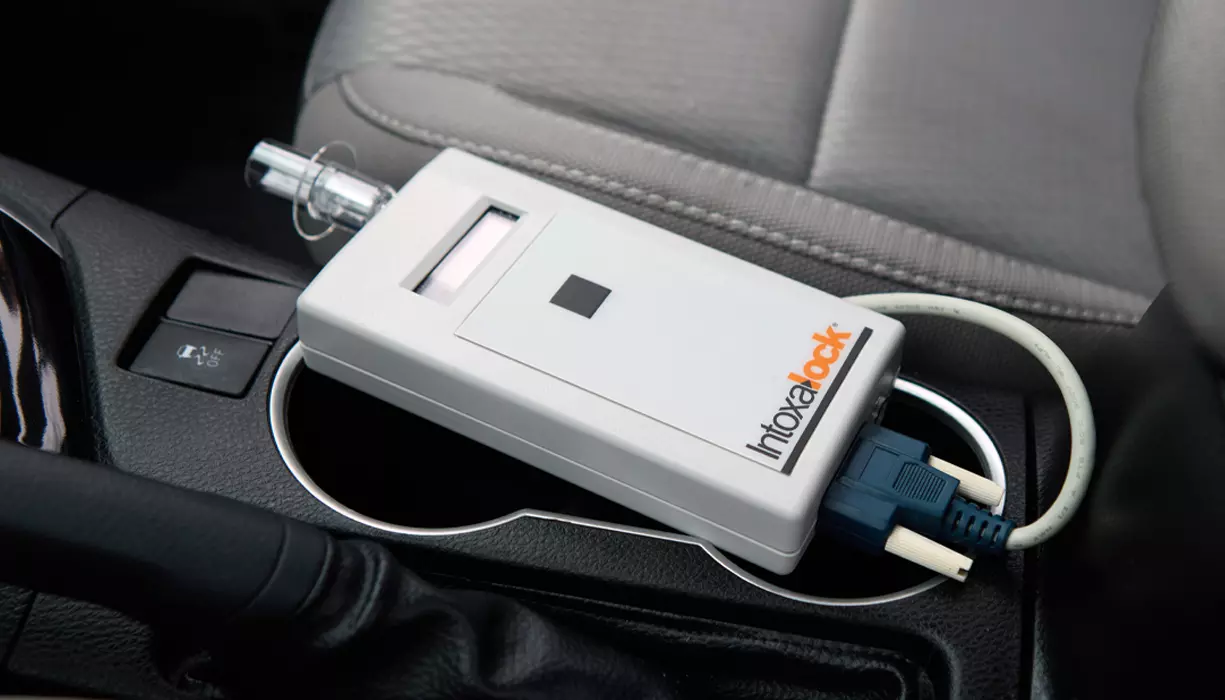
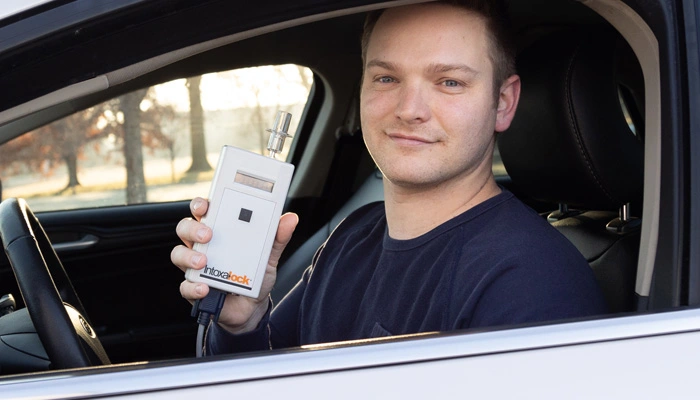
Getting your ignition interlock device removed marks a fresh start as a driver. Here’s what you can expect, and how you can prepare.
Having your ignition interlock device removed can mark an important transition in getting back your full driving privileges. You’ve completed your required IID period, followed the applicable rules, and can now move forward without the device in your vehicle. But what comes next?
Life after an IID goes beyond getting back to a familiar routine. It may also be an opportunity to establish new and sustainable habits around driving, alcohol, and decision-making. According to a recent study from the Community Preventive Services Task Force, DUI re-arrest rates drop by 67% for those who have an IID installed.
In this article, we’ll explore how to keep that momentum going by discussing what life after an IID is like, how to ensure you’re ready to move forward, and support options that can help you maintain your sobriety. The information here isn’t legal guidance but may be helpful as you mark the end of a court- or DMV-mandated interlock requirement.
My IID Was Removed. Now What?
Before you assume you can drive without restrictions, take time to verify your status with your state and the right monitoring authority.
Remember, your IID program may not be just a criminal obligation. It can be:
- Court-ordered (criminal/judicial), or
- DMV-ordered (administrative, e.g., as a reinstatement condition), or
- Both, depending on the state and your case.
Your ignition interlock device requirement is not automatically tied to just one of these. Depending on your state and the specific case, your IID may have been ordered by the court as part of a criminal sentence, required by your motor vehicle agency as a condition of reinstating a license, or both at the same time.
Finishing your IID requirement does not automatically resolve every other obligation from your case.
Filing Your Final Paperwork With the DMV
The first step after removal is confirming your driving privileges are restored and there are no outstanding requirements associated with your administrative or criminal case.
Depending on which state you live in, you might need to show your motor vehicle agency your IID is removed. Even if the physical interlock device is removed from your vehicle, you may still have outstanding court fees, fines, probation conditions, or state administrative fees that must be resolved separately before your driving privileges are fully restored.
Is driving a privilege or a right? This blog answers this question and what it means for you as a driver.
Mark the Moment
The end of your IID requirement may or may not be a major event in your life, but it can still be useful to mark that milestone.
You completed a process requiring compliance, planning, and consistent attention, so thinking about what helped you succeed and the habits you want to continue can help set you up for success going forward.
In fact, a 2023 report from the Governors Highway Safety Association shows that states that require drivers to prove a set number of alcohol-free days before removing an ignition interlock device see significantly lower rates of repeat DUI offenses than states without this requirement.
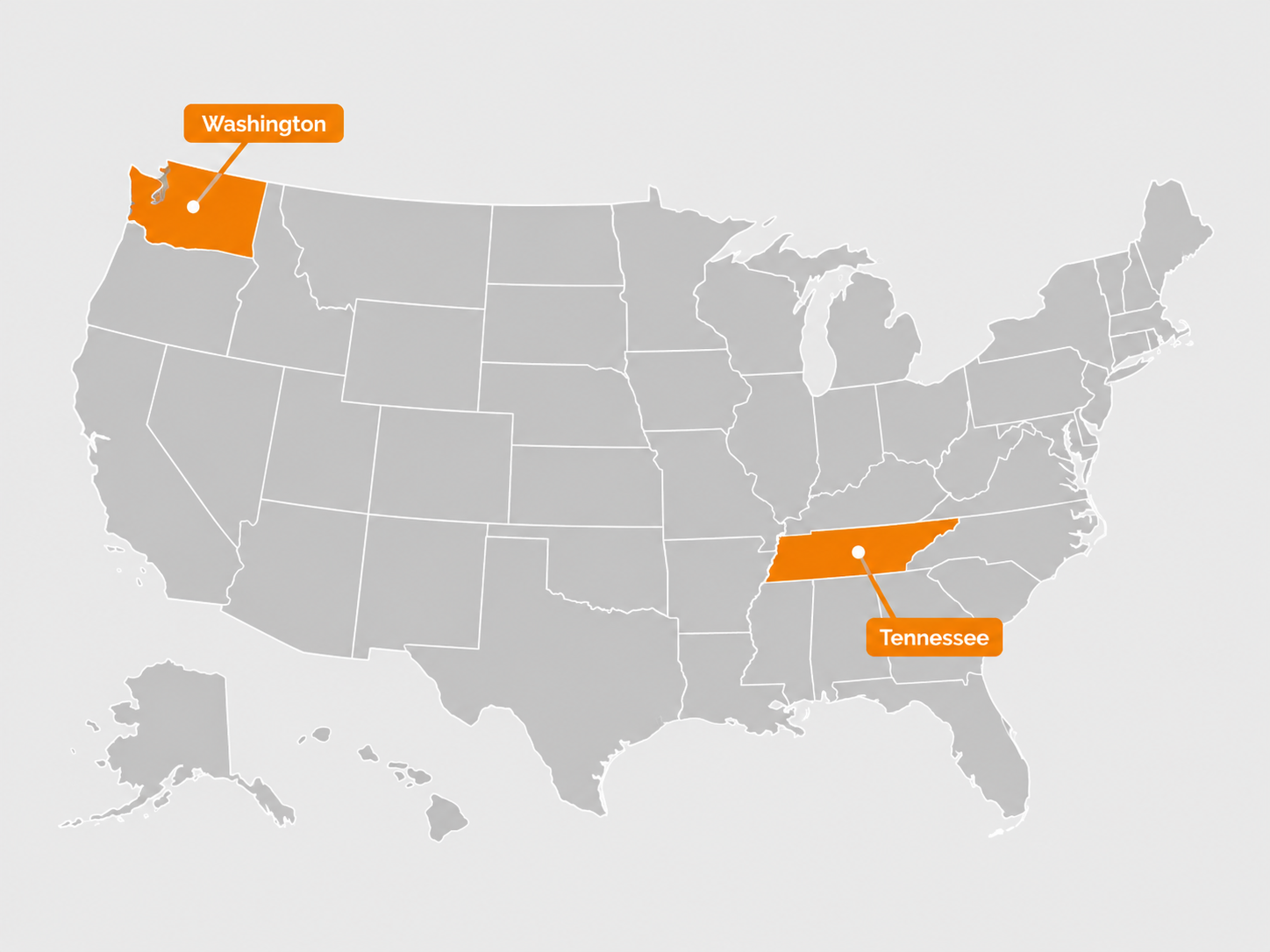
Stricter IID removal rules, fewer repeat DUIs
In Tennessee and Washington, repeat DUI rates were 1.7–3.7%, compared with 5.6–6%.
Source: GHSA, 2023
Reacclimate to Driving Without an IID
You might notice some changes when you start driving without an IID again. For example, you won’t need to provide a breath test before starting your vehicle, and you won’t have to follow any specific procedures anymore. After months or even years of following an IID protocol, it can take a little time to settle back into a normal driving routine.
It’s possible you might feel anxious about driving without an IID, so start your new driving routine with comfortable conditions and familiar routes. Remember: you don’t have to tackle every kind of driving situation right away. You can take it as slow as you want, and you can always choose not to drive. Find the pace that works for you.
What can you expect from your IID removal appointment? This article breaks it down so you can prepare.
Post-IID Support and Tools
This blog is for general information only and is not legal or medical advice. If you're convicted of a DUI and need to learn more about ignition interlocks, call our team at (888) 283-5899.
As you reacclimate to driving without an IID, you may want to lean on some alcohol monitoring solutions and tools for support. While the information here isn’t medical guidance, these options may help you become more aware of your alcohol use.
Cognitive Behavioral Therapy
Cognitive behavioral therapy (CBT) offers structured help that can help change how you think and behave. A 2025 report in the Journal of Studies on Alcohol and Drugs shows that when behavioral support is layered on top of an IID requirement, it reduces both drinking and interlock lockouts, compared to just a device requirement alone.
Not everyone needs behavioral therapy or benefits from it, but it might be worth exploring to see if it’s right for you.
Find a Support Group
Being part of a support group can help you feel accountable and give you a safe place to discuss challenges with people who understand what you’re going through.
There are a variety of alcohol recovery and substance use support groups, along with other community-based programs that can offer support. You can also research options for in-person groups or online groups if it’s more convenient for you to work with Internet-based support.
If you are in need of immediate help, try the Substance Abuse and Mental Health Services Administration (SAMHSA) hotline at 1-800-662-HELP (4357), or you can call, text, or chat the 988 Lifeline.
Use a Sobriety App
Generally, sobriety apps provide reminders, help you track your progress, and give you tools for accountability, but it can depend on which app you download. Some focus specifically on sobriety, while others provide habit tracking, journaling, and other features.
Choosing one that aligns with your goals can help you build confidence as you move forward.
Try a Personal Breathalyzer
A personal breathalyzer, such as the Keepr® Breathalyzer, can provide real-time information about your breath alcohol concentration. This alcohol monitoring product may be useful if you choose to continue drinking after your IID removal but want more objective data about your alcohol use/intake. If your probation or court order includes a no-alcohol condition, it still applies after your IID is removed.
Keepr is owned and operated by Consumer Safety Technology, LLC and is part of the Mindr family of brands which includes Intoxalock, DUI.org, and Breathe Easy Insurance Solutions.
Personal breathalyzers can be valuable tools to help you gain important information about your drinking, but they shouldn’t be used to determine whether you’re safe or legal to drive. They’re a support tool, not a legal barometer.
Managing Your Driving, Drinking, and Sobriety Going Forward
Your IID may have provided an external safeguard. But after its removal, you’re in charge of your own driving decisions. Successfully completing an interlock requirement may show you’re already on the right track. A 2020 study first reported in Traffic Injury Prevention journal found a decrease in drinking habits and frequencies in drivers after use of an IID.
Here are some ways you can keep up the positive driving habits you adopted while you had your IID installed.
Plan for Parties and Events
Make a plan if you think you may be spending time somewhere where alcohol is present, especially if you expect to have a drink. Before you start your evening, decide how you’ll get home.
You could:
- Designate a sober driver
- Use a rideshare service or taxi
- Take public transportation
- Arrange a ride with a friend or family member
- Stay overnight
- Choose not to drink alcohol
Making a plan before alcohol enters the picture can help reduce the chance of deciding while impaired.
Keep Your Support Tools Handy
If you know support tools are helpful for you, lean on them. Whether it be an app, support group, counselor, or other resource, adding them to your routine can help make the transition away from your IID easier.
If you’re not fully ready to let go of having an interlock, you could consider a device like Keepr Drive. Once it’s installed in your car, you can use it to provide a breath sample before you drive.
Keepr is owned and operated by Consumer Safety Technology, LLC and is part of the Mindr family of brands which includes Intoxalock, DUI.org, and Breathe Easy Insurance Solutions.
Take a Driver Education Course
A defensive driving or driver education course can be another way to reinforce good habits. Signing up for one, or both, of these kinds of classes can help you re-learn to focus on defensive driving, recognize impairment, manage distractions, and understand how alcohol and other substances affect your ability to drive.
Lean On Your Family and Friends
Your friends, family, and other personal relationships can play a big role after IID removal.
Maybe you’re having a rough day, and you need someone to talk to. Or you want them to ride with you while you get used to driving again. Even having a simple plan, like leaning on someone you trust to pick you up if you’ve been drinking, can take the pressure out of a situation and help you make safer choices.
When in Doubt, Don’t Drive
You don’t need an IID to make the decision not to drive after drinking. If there’s any question about whether you’re impaired, don’t get behind the wheel.
Intoxalock is Here to Help, Even After Your IID Is Removed
Completing an IID requirement is a significant milestone. The next step is using what you learned during the process to build a sustainable and safer approach to driving.
And remember, your IID support doesn’t have to end just because you had it removed. You can always reach out to an Intoxalock State Specialist with any questions you have or support you need post-IID.
Frequently Asked Questions About Life After IID
These FAQs are for general information only and are not legal advice. Always consult a qualified attorney and your monitoring authority about your specific situation. If you're convicted of a DUI and need to learn more about ignition interlocks, call our team at (888) 283-5899.
Can I keep my IID even though I’ve met my court mandate?
Keeping your IID can depend on the circumstances of your case and your state or program requirements. Once your mandated period ends, you should ask your IID provider and state motor vehicle agency about available options.
If you want an alcohol monitoring product that integrates with your vehicle’s ignition system, consider Keepr Drive which connects the Keepr Breathalyzer to your vehicle's ignition system. It requires a passing breath sample before the car starts when enabled. If your BrAC comes in under the administrator’s pre-set limit, the car starts. If it doesn't, it won't.
Keepr is owned and operated by Consumer Safety Technology, LLC and is part of the Mindr family of brands which includes Intoxalock, DUI.org, and Breathe Easy Insurance Solutions.
What should I do after my IID is removed?
After your IID is removed, confirm you’ve completed all your court and motor vehicle agency requirements and that your driving privileges are fully restored. Then, consider what habits and support systems helped you successfully complete the IID period, and maintain them going forward so it’s easier to acclimate to your post-interlock driving life.
What if I’m afraid to drive without an IID?
If you’re afraid to drive without your IID, you’re not alone. Start slowly and drive familiar routes under comfortable conditions to give yourself time to adjust. If anxiety gets in the way of your driving, consider discussing it with a qualified mental health professional or driving instructor.