
Extreme Heat, Smoke, and Humidity: How Summer Weather Can Impact Your IID

This blog isn’t considered legal advice. Always consult a qualified DUI attorney if you have specific questions. If you’re convicted of a DUI and need to learn more about ignition interlocks, call Intoxalock® at (888) 283-5899.
Hot weather can potentially change how your ignition interlock device (IID) behaves. Knowing what to expect can help you stay compliant and avoid unnecessary issues.
Getting through your ignition interlock requirement already takes focus and consistency. When you add in environmental factors such as summer heat, wildfire smoke, or heavy humidity, suddenly there are elements outside your control that could potentially impact your interlock’s performance. While you're sweating it out in your car from the heat, you may also be sweating from worry you could fall out of compliance if your IID happens to struggle in extreme temperatures.
The good news is that ignition interlock devices (IIDs) are designed to handle everyday weather conditions. Still, extreme environments can introduce small challenges. When you understand how these conditions affect your device, you can adjust your routine, avoid unnecessary issues, and stay on track.
Thanks to years of experience helping customers beat the heat, Intoxalock has compiled a list of best practices to keep your device safe.
Because legal and technical requirements vary by state and by individual case, we can’t guarantee environmental conditions won’t ever contribute to device issues or reported violations. Always follow your court order or monitoring authority’s instructions and contact them if you have questions about specific events.
How Does Extreme Heat Impact Ignition Interlock Devices?
Extreme heat doesn’t just make you uncomfortable. It can also affect your ignition interlock device's performance, especially after your vehicle has been sitting in direct sunlight.
On very hot days, your ignition interlock device may take a little longer to start up or respond. You might notice:
- A longer starting time
- A short delay before the device is ready for a test
- More strain on your car battery, which powers the device
None of this means something is wrong. Heat changes how electronics behave, and your device adjusts as temperatures rise.
A few small steps can make a difference:
- Keep the handheld out of direct sunlight
- Park in the shade when you can
- Use a windshield sunshade to keep temperatures down
- Give your car a minute to cool off before testing
“It’s also important to make sure the handheld has ventilation, so avoid putting it into a glove box or center console,” says Charles Ababio, a technical product expert in research and design at Intoxalock. “Sometimes these compartments can reach higher temperatures than inside the car itself. Under the front seat is a good option.”
In some areas, summer brings wildfire risk. So, over and above the heat, you might be facing some smoke and ash blowing in your area.
How Can Smoke Impact Ignition Interlock Devices?
Smoke from wildfire conditions (much like vapes and cigarettes) introduces particles and chemicals into the air inside your vehicle.
Ignition interlock devices are designed to measure alcohol in your breath, not smoke particles. Smoke alone is not intended to trigger an alcohol reading. However, heavy smoke or residue in your mouth or in the air could interfere with your breath sample and may lead to test issues or retests.
You’re more likely to run into issues if you:
- Are in an environment with heavy wildfire smoke without ventilation
- Smoke cigarettes, marijuana, or vape immediately before testing
- Blow smoke directly into the device
- Sit in a vehicle filled with smoke or strong odors
To reduce the risk of a retest or device issues:
- Keep your vehicle ventilated unless you're in a wildfire area where ample smoke is present in the air
- Wait a few minutes after smoking before testing
- Take several deep breaths of fresh air before providing a sample
- Avoid blowing smoke into the device
Consider Using Your Vehicle’s Air Recirculation System
Most, if not all, cars default to outside air being used for A/C and heating inside the vehicle, says Intoxalock’s Ababio. This means if there’s smoke outside, even with the windows rolled up, some smoke may make it inside the vehicle.
Ababio says vehicles also come equipped with a recirculation button; “This allows the air inside the car to be recirculated instead of using outside air.”
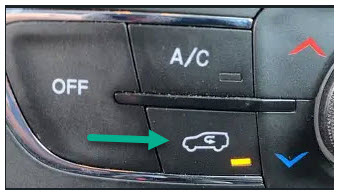
It's recommended to keep your vehicle windows shut or to recirculate the air to limit the amount of smoke, ash, or debris that could potentially contaminate or damage your interlock device.
“Passing by a smoky area is no problem but if someone were to leave their garage and notice contaminated air, it might be a good idea to recirculate the air in the car with the windows up until they clear the contaminated area,” advises Ababio.
If you want a deeper understanding of what can interfere with your IID, review some common ignition interlock problems.
How Does High Humidity Impact Ignition Interlock Devices?
Humidity increases the air's moisture and may slow your device's processing of a breath sample.
In humid conditions, you may see:
- Slight delays when the device processes your breath
- Occasional prompts to retry a test
- Moisture buildup inside your vehicle
Humidity alone is not expected to cause a violation or failed test, but excess moisture may affect airflow or device performance and could result in delayed processing or a retest in some situations.
To keep things running smoothly:
- Turn on your air conditioning briefly before testing
- Reduce moisture inside your vehicle
- Give the device a few extra seconds to process your sample
Protecting your IID is straightforward and requires only a bit of consideration on those high-temperature days.
How to Protect Your Ignition Interlock Device from Extreme Heat
Protecting your IID during summer starts with understanding how different conditions affect your device.
In Extreme Heat:
- Use a sunshade: A reflective sunshade can lower your car’s interior temperature by up to 20 degrees. This helps protect your vehicle and your ignition interlock device.
- Carry your mouthpiece with you: Removable mouthpieces can become uncomfortable in high heat. Storing it separately keeps it cooler and easier to use.
- Let your car cool before testing: Give the interior a minute to cool down before starting your test if your vehicle has been sitting in the sun.
To Support Battery Performance in Heat:
- Check your car’s battery: Extreme temperatures can strain your battery. Many auto shops or automotive retail centers will test it for free.
- Drive your car regularly: Letting your car sit for days can drain the battery. Driving for 15–20 minutes helps keep it charged.
- Use Sleep Mode when available: Sleep Mode feature by Intoxalock, helps reduce battery drain. Press and hold the device button until you hear three beeps, then turn off your vehicle.
For Airflow and Overall Protection:
- Keep air circulating: Crack your windows slightly if your car is parked for a while. Airflow helps prevent heat buildup.
- Use rain guards if needed: Rain guards allow airflow while protecting your interior from the weather. Many options are installed easily without tools.
In Smoky or Humid Conditions:
- Keep your vehicle ventilated: Airflow helps reduce smoke buildup and excess moisture.
- Take a few clean breaths before testing: This helps reduce the risk of interference from smoke or heavy air.
- Allow a few extra seconds for testing: Humidity can slightly slow processing, so give your device time to complete the test.
It can also help to revisit everyday best practices. These tips for using your ignition interlock device, along with cold-weather seasonal guidance, reinforce habits that work year-round.
If your device is not functioning as expected, contact customer support or visit your service center. If your car needs repair, let your mechanic know you have an ignition interlock device installed and notify Intoxalock before work begins.
Common Myths Busted: Avoid Doing These Things to Your Ignition Interlock Device
Creativity is welcome, but many pieces of advice are not effective and could even damage your device. Avoid taking the following actions as they could damage your IID and result in repair fees.
- Myth 1: Remove the device. Do not disconnect or remove your ignition interlock device unless your monitoring authority and your interlock provider give you written or documented approval. In many jurisdictions, unauthorized removal is a violation that can lead to sanctions. Check your user manual or call one of our State Specialists to verify.
- Myth 2: Cool down the device using fans, a cooler, or a freezer. A quick fix may be tempting, but cooling the device this way can cause more damage. Extreme temperatures, whether hot or cold, are dangerous, and a sudden shift can cause further damage. A freezer will ruin most electronic devices. If you wouldn’t put your phone in a freezer, don’t put your IID in one.
- Myth 3: No water allowed. A cool cloth or ice pack may seem like a great idea, but we do not recommend it. Water can damage the device. This method will not cool it effectively and could cause additional damage.
- Myth 4: Don’t leave your car running unattended. Keeping your car running may prevent heat buildup, but you might miss a random retest. Leaving your car running also wastes gas and can negatively impact your battery.
Improper care of your IID can lead to costly repairs or replacement. Depending on your court order and state law, reported violations or device tampering may lead your monitoring authority to review your case and could result in an extension of your interlock requirement or other penalties.
Intoxalock Can Help You Navigate Extreme Summer Weather
Summer weather can introduce a few added challenges, especially during extreme heat, wildfire smoke events, or high humidity. Protecting your device and vehicle on high-heat days supports smooth testing.
With nearly 6,000 locations nationwide and more than 35 years of experience, Intoxalock helps you stay on track no matter what the forecast brings. Whether you are dealing with heat, smoke, or moisture, real people are available 24/7 to help you troubleshoot and keep moving forward.
If you have immediate questions about how weather conditions may affect your device, talk to an Intoxalock State Specialist at (888) 283-5899. We’re here to help you stay compliant and keep your routine moving.
Know the risks and workarounds to keep your IID in good working order when the forecast shows extreme weather on the horizon.
Extreme Weather FAQs: Ignition Interlock Device Questions Answered
Laws and IID rules vary by state. This FAQ is general information only and is not legal advice. For questions about your specific case or consequences of any reading, consult your DUI attorney or monitoring authority.
Can extreme heat cause an ignition interlock device to malfunction?
Extreme heat can affect performance, such as increasing warm-up time or causing short delays before testing. In high temperatures, you may see longer warm-up times or short delays. These can occur even when the device is operating properly, but if you see repeated or unusual messages, contact customer support or your monitoring authority.
Can high humidity cause an ignition interlock device to show a false positive?
Humidity alone does not cause a false positive. However, excess moisture in the air can affect airflow during testing and may require you to retest. Keeping your vehicle ventilated and allowing a few extra seconds for the device to process can help.
What should you do to protect your interlock if there is wildfire smoke in your immediate vicinity?
Keep your interlock device inside the vehicle, out of direct airflow and dust, and avoid disconnecting or removing it unless your provider or monitoring authority explicitly allows it. Keep windows closed as much as possible so ash or debris cannot enter and contaminate or damage the device.
Can you smoke with an ignition interlock device?
You can smoke, but timing matters. Smoking or vaping right before a test can affect your breath sample and lead to a retest. Wait a few minutes, take a few breaths of fresh air, and then complete your test to reduce the chance of interference.
What should you do if your ignition interlock device gets too hot to use?
If the device feels too hot, give your vehicle a minute to cool down before testing. Turn on the air conditioning or open the doors to release heat. Once the temperature drops slightly, the device should return to normal operation.