
A Guide to the First 90 Days With an Intoxalock® Ignition Interlock Device
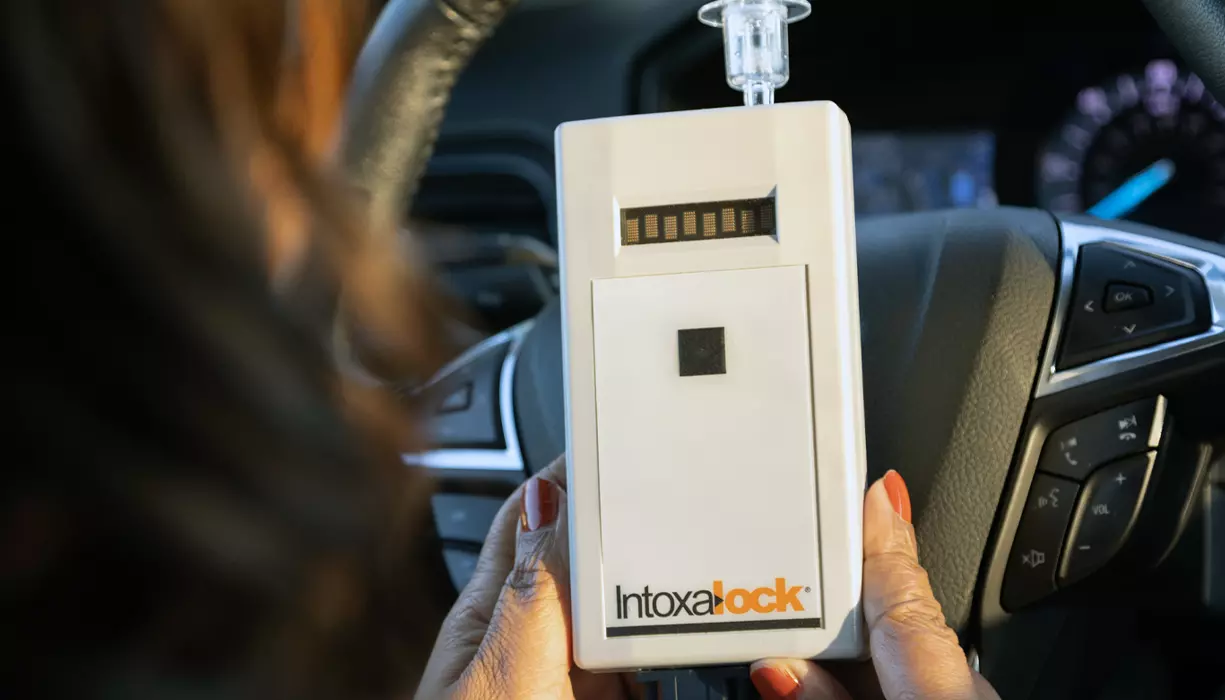
Your first 90 days with an ignition interlock device may feel unfamiliar, but with clear expectations and steady habits, you can build confidence and stay compliant.
Key Takeaways:
- The first 90 days with your ignition interlock device can set the tone for the rest of your requirement period.
- Simple daily habits may help you avoid violations, lockouts, and unnecessary costs.
- With nearly 6,000 locations nationwide, 35+ years of experience, and 1.2 million drivers assisted, Intoxalock makes the process as manageable as possible.
Getting behind the wheel with an ignition interlock device after a driving under the influence (DUI) conviction can come with mixed emotions. You may feel nervous when the device prompts a random retest. That apprehension is common and perfectly normal.
What can help you adapt to your IID experience is truly understanding what's being asked of you and staying consistent with those guidelines. The ignition interlock device is there to do its job. Your routine helps keep everything moving without added problems.
We've helped more than 1.2 million drivers convicted of DUI regain their licenses through our IID program.
This blog isn't legal advice; always consult with a qualified DUI attorney if you have specific questions. If you're convicted of a DUI and need to learn more about ignition interlocks, call our team at (888) 283-5899.
First Day
On your first day, you will get your IID installed and learn exactly how the device works. These two steps lay the foundation for your early days.
Completing Your Intoxalock Ignition Interlock Device (IID) Appointment
Your interlock installation appointment covers the basics. A certified technician installs your ignition interlock device, explains how it works, helps you practice using the device, and confirms your calibration schedule. In some states, your technician may have state-required paperwork for you to complete.
Do not rush this visit. Ask about:
- How often must you complete calibration
- How random retests work
- How to protect your vehicle’s battery
Your technician will also encourage you to download the Intoxalock Mobile App. This user-friendly app will become your digital home base for managing your account and payments, receiving alerts for upcoming appointments, and learning more through FAQs.
You will leave your installation appointment knowing exactly what comes next. And if, for some reason, you have questions after you drive away, call our customer service team straight away at (888) 283-5899.
How to Use the Device and Master the Blow Pattern
An ignition interlock device is a breath alcohol monitoring system wired into your vehicle’s ignition. It measures your breath alcohol concentration (BrAC) before the engine starts.
Here is the startup sequence:
- Press your start button to power the device
- The “wait for warm-up” message will appear
- Handheld will read “blow” when it is ready for you to perform a test
- Provide the sample using a blow-inhale-blow pattern
- Receive a clear pass message if your breath sample is below your state’s mandated threshold
- Insert your key and start your vehicle
Practice the blow pattern with your technician. Within days, it feels routine.
Small amounts of alcohol from some foods or mouthwashes can contaminate your sample causing a failed test, but with a little caution you can avoid these. Before every test:
- Wait at least 15 minutes after eating or drinking
- Rinse your mouth with water
- Avoid alcohol-based mouthwash, certain medications, cologne, or recently baked yeast-heavy foods
Even bread with high yeast content may create fermentation that affects a reading.
First Week
The first week often feels the most awkward. That feeling fades faster than you expect.
Your service center technician will guide you if you have questions. Many customers say the first few drives feel stressful, then the process becomes second nature.
Expect a Call from an Intoxalock Concierge Representative
We check in to answer questions and review your state’s expectations.
Support and Guidance on Required Paperwork
Some states require compliance checks or documentation. We help you understand what your monitoring authority expects and how to stay aligned.
Keep your phone number, email, and address current. If you change your name or move out of state, notify us. In states like California, you may still need to complete calibrations and removal there, even if you relocate. In California, moving out of state does not automatically cancel your IID restriction. Unless you receive an approved out-of-state exemption, you may still need to complete your required restriction period and follow proper removal procedures.
Understanding Test Frequency and Random Retests
Prior to starting your vehicle, the device will require a breath sample and then continue to request samples for the duration of your trip. If you plan to drive, plan to test.
You should also expect a prompt to submit a new test sample while you are on the road. We call them random retests, although you may also hear them referred to as rolling retests. They can happen at a stoplight, in traffic, or halfway through a drive-thru order. It is normal. Retest timeframes vary by state; consult your user guide or contact us to confirm your specific window. States generally give you 5–15 minutes to safely pull over and provide a new breath sample. You should familiarize yourself with your state’s specific retest time window. Refer to your user guide to confirm your state’s specific retest time window. Provide the sample when prompted and keep going.
Not every beep or message means you are in trouble. Some alerts are just reminders. Your state decides what counts as a reportable violation. Most states can report failed BrAC tests, missed calibrations, attempts to disconnect the device, or repeated lockouts.
Managing the Emotional Side
Passengers will likely notice your ignition interlock device. But in our view, accountability shows growth. We've found that most customers who take responsibility directly earn others' respect. The first week may feel unfamiliar. By week three, it becomes part of your routine and is easier to explain to others.
Things Customers Often Say They Wish They Knew
Most stress during the first 90 days does not come from the device itself. It comes from small surprises that feel bigger than they are.
Like Intoxalock customer Erin, who needed a hand:
"I was very frustrated with the device that was court-ordered for me to use... just my brain not able to hum and blow at the same time. I talked with Jay, and he did a fantastic job explaining what may have been wrong. Jay was 100% [a] stand-up guy and very knowledgeable about different types of devices. He made me feel like a good person again, one who made a big mistake, and left me feeling encouraged." - Erin.
Over time, customers tell us the same things again and again. They wish they had known these tips before they became responsible for an IID:
- Schedule calibration before holidays. Appointments fill quickly around long weekends. Booking early protects your schedule and avoids last-minute scrambling.
- Keep a water bottle in your car. If you recently ate, drank coffee, or used mouthwash, rinsing with water and waiting 15 minutes can prevent unnecessary confusion.
- Drive regularly to protect your battery. Vehicles that sit unused for long periods often create avoidable battery issues.
- Expect random retests and plan for them. They can happen at a stoplight or in a drive thru. When you anticipate them, they feel routine instead of disruptive.
Building these "must-knows" into your routine may help you view your ignition interlock device as just another part of driving, rather than a daily source of stress.
Month One
By now, you have settled into daily use of your ignition interlock device. The focus shifts to maintenance and planning ahead.
Heading to Your First Calibration Appointment
You bring your ignition interlock device in for calibration so it records and reports accurately. Most states require calibration service every 30 to 60 days.
Ignition interlock calibration costs are somewhat predictable, usually around $20 per visit, depending on location. Keeping up with routine calibration appointments helps you reduce the risk of violations, lockouts, reinstatement fees, or added time on your IID requirement. It is much less expensive than court fines, lockout charges, or reinstatement costs.
Know your lockout date. Holidays fill up quickly. Schedule early to avoid stress and added costs.
What to Do If You Have a Lockout
A lockout means your vehicle will not start until you complete the required service steps. It usually happens after a missed calibration, a failed IID test, or repeated noncompliance.
If it happens, do not panic. At the same time, do not ignore it.
- Call us as soon as you can. We will explain what triggered the lockout, what your state requires, and how to fix it. The sooner you address it, the sooner you can move forward. Call us: (888) 283-5899
- If the handset disconnects or becomes loose, contact us before attempting to reconnect it yourself. If you are within your first 180 days, call us for instructions right away. Handling it correctly helps you avoid additional complications.
- You can also review your recent test history and upcoming appointments in the Intoxalock mobile app. Seeing the details in one place often clears up confusion quickly.
Month Two
By the second month, your focus might shift to optimizing your vehicle and keeping the device running smoothly. Weather and battery health matter more than most people expect.
Preparing for Weather Changes
Cold weather affects electronics and vehicle batteries. “Car battery issues tend to be exacerbated during the winter,” says Charles Ababio, Technical Product Owner at Intoxalock. “A charging/starting system diagnostic at an ASE certified mechanic shop at the beginning of cold weather months can prevent potential mishaps from occurring.”
Intoxalock devices are built to stay warm in cold weather. Even so, your ignition interlock device may take a little longer to warm up in lower temperatures. That delay is normal. On cold mornings, wait for the warm-up message before attempting to test.
In hot summer weather, allow the device a moment to stabilize if your vehicle has been sitting in direct sunlight. Parking in a garage or shaded area when possible can help reduce exposure to extreme temperatures and shorten startup time. “If it isn't possible to park in a shaded area, you should at least make sure the handheld has access to open air and is out of the direct sunlight,” says Ababio.
Give yourself a few extra minutes before driving, especially during temperature extremes. Planning keeps small weather-related delays from becoming frustrating interruptions.
Keeping Tabs on Your Car Battery Health
Most battery problems do not start with the ignition interlock device. They start because the vehicle sits too long.
If you drive only once or twice a week, your battery might lose charge. Low battery power may prevent the device from powering up correctly, especially in cold weather, and could interrupt operation during a random retest in traffic or at a stoplight.
Drive your vehicle regularly, even for short trips, but try to make each trip at least 15 minutes. “This allows the car to reach optimal temperature and operation where the alternator has enough time to charge the battery,” says Ababio.
If your car sits for extended periods, consider using a battery maintainer to help keep the charge steady.
Battery strength also matters when a random retest occurs at an inconvenient time. A healthy battery helps your vehicle run smoothly during a retest prompt, even in traffic or at a stoplight.
90 Days In: What’s Next
You have adjusted to using your ignition interlock device daily. Now consistency matters.
Maintaining a Clean Record for Longer IID-Requirement Periods
By the 90-day mark, you are no longer just “getting used to” the ignition interlock device. You are in the middle of your required monitoring period, and your record during this time matters.
Most IID requirements last six months, one year, or longer, depending on your state and conviction. In Tennessee, for example, a first driving under the influence (DUI) conviction requires one year of ignition interlock use. Other states set different timelines, but the expectation is the same: consistent compliance from start to finish.
A clean record typically means:
- No failed BrAC tests
- No missed calibrations
- No attempts to disconnect or bypass the device
- No extended lockouts
Extensions rarely come from major events. They usually come from small missteps such as missing an appointment or testing too soon after eating.
Stay on schedule. Build in a few extra minutes before you drive. If something does not look right, call and have a technician address it immediately. That steady approach is how most people successfully complete their IID requirement without adding extra time.
We are proud to say we've helped more than 1.2 million people regain their licenses through our interlock program.
Completing Your Ignition Interlock Requirement
Your state’s rules and monitoring authority determine when you can complete your requirement.
It's important to get your de-install paperwork in order. Confirm eligibility before scheduling removal so you avoid delays. Some states require compliance reports or written approval.
A technician disconnects your ignition interlock device and finalizes your service record. Removal timing depends entirely on state approval.
If you have immediate questions about interlock fail consequences or need help navigating your state’s rules, reach out to an Intoxalock State Specialist at (888) 283-5899. We will guide you through your next steps to help you stay on track.
Intoxalock Is Here to Support You on Your Journey
An ignition interlock device adds a few new steps to your day. In the beginning, you may second-guess yourself or feel self-conscious with passengers in the car. That adjustment is normal, and it gets easier with routine.
Staying on top of installation, service visits, and removal paperwork can feel like extra logistics. Planning keeps it manageable, and we are here to help you stay organized.
With nearly 6,000 locations nationwide, 35+ years of experience, and 1.2 million licenses regained, we provide clear information and steady support from start to finish.
Know what to expect before you get back on the road with this handy guide from Intoxalock.
FAQs
How Much Does an Interlock Device Cost?
Costs vary by state and service center. Intoxalock base lease rates start at $1.96 per day, with additional required purchases. Total costs vary significantly by:
- State regulations
- Vehicle make and model
- Program requirements
- The type of required IID
- Compliance with operational guidelines
- Calibrations
- Potential violations and lockouts
Final costs may be substantially higher than the base lease rate.
What Can Trigger a Contaminated Reading on an IID?
Alcoholic beverages can trigger readings, but so can mouthwash, certain medications, perfume, energy drinks, or yeast-heavy foods. Wait 15 minutes after eating or drinking and rinse with water before testing.
Who Do I Call If I Have a Problem with My IID?
Call Intoxalock on (888) 283-5899. The 24/7 customer support team and State Specialists understand your state’s requirements and can walk you through solutions.